 Save Pin
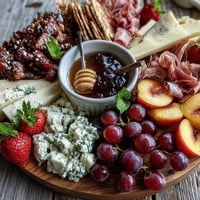
 The first time I arranged a grazing board, I was nervous about making it look intentional rather than cluttered. Then my friend mentioned she'd seen one cascade over a table edge, and something clicked—what if abundance wasn't about fitting everything neatly, but letting it spill generously? That's when the waterfall board became my favorite way to entertain: it looks dramatic enough to impress, yet it's honestly just about playing with heights and angles while you arrange what you love.
I remember making this for a dinner party on a rainy Sunday when I wanted everything to feel abundant but effortless. I realized halfway through arranging that the best part wasn't the perfection—it was watching people's faces light up when they spotted something tumbling over the edge, or when they noticed the honey pooling just past the board's boundary. That's when I knew this board wasn't just food; it was theater.
Ingredients
- Brie, sliced (150 g): The creamy anchor that guests reach for first; slice it thick enough to hold its shape but soft enough to spread.
- Aged Cheddar, cubed (150 g): A little sharpness cuts through the richness and keeps your palate interested.
- Blue cheese, crumbled (100 g): Just enough for those who crave it; it's bold, so a little goes a long way.
- Goat cheese, sliced (100 g): Tanginess balanced with creaminess, and it looks beautiful when fanned out.
- Prosciutto (100 g): Drape it loosely so it catches the light and creates visual movement across the board.
- Salami, sliced (100 g): The paprika color adds visual warmth and pairs unexpectedly well with sweet fruits.
- Red grapes in small clusters (1 cup): Leave them on the stem when possible so they cascade more dramatically.
- Strawberries, halved (1 cup): Their bright red draws the eye and their juice creates an almost jewel-like effect.
- Blueberries (1/2 cup): Tuck them into crevices and let a few roll onto the table for that organic, spilled look.
- Pear, thinly sliced (1): Slice just before serving so it doesn't brown; the paleness plays beautifully against darker cheeses.
- Dried apricots (1/2 cup): They're naturally sweet and their golden color bridges fresh and cured elements.
- Dried figs, halved (1/2 cup): Toast them lightly if you want them softer, or leave them chewy for texture contrast.
- Almonds (1/3 cup): Toasted almonds have more personality than raw; they add a subtle crunch and nutty warmth.
- Walnuts (1/3 cup): Their earthiness complements blue cheese and fig jam in a way that feels almost intentional.
- Baguette, sliced and toasted (1): Toasting removes moisture so it won't get soggy, and the golden edges catch light beautifully.
- Assorted crackers (150 g): Mix textures—some thin and crispy, some thicker and seedier—so guests have variety.
- Honey (1/4 cup): Drizzle it where ingredients meet to create depth and encourage guests to taste combinations.
- Fig jam (1/4 cup): Its dark color provides contrast and it's the secret ingredient that ties sweet and savory together.
- Mixed olives (1/4 cup): Their brine adds brightness and prevents the board from feeling too rich.
- Fresh herbs—rosemary and thyme: A small sprig tucked here and there adds fragrance and softens the overall presentation.
Tired of Takeout? 🥡
Get 10 meals you can make faster than delivery arrives. Seriously.
One email. No spam. Unsubscribe anytime.
Instructions
- Set Your Stage:
- Position your board so one edge hangs slightly over the table's boundary, with enough clearance for items to tumble gracefully. This creates the waterfall illusion and gives you permission to let things flow.
- Build the Cheese Cascade:
- Arrange cheeses in overlapping slices and wedges near the board's edge, deliberately letting 2–3 pieces extend past the edge and onto the table. Brie should be slightly forward since guests will reach for it first.
- Drape the Cured Meats:
- Fold prosciutto and salami loosely so they ripple and catch light, layering them both on the board and draped partially over the edge. This adds movement and height.
- Scatter Fresh Fruit:
- Cluster grapes in small groups, halve the strawberries so their cut sides face up, and nestle blueberries into gaps. Let some fruit tumble slightly off the board to enhance the cascade effect.
- Tuck Dried Elements:
- Fill remaining gaps with dried apricots, figs, almonds, and walnuts, allowing a few pieces to roll off the edge intentionally. This adds texture and fills negative space.
- Position Crackers Creatively:
- Stand some crackers vertically like little sails, stack others at angles, and lean toasted baguette slices as if they're mid-tumble. This playful arrangement keeps the waterfall energy alive.
- Add Condiment Drama:
- Place small bowls of honey, jam, and olives on the board, positioning one bowl near the edge with a small drip or trail of olives leading off onto the table below. This completes the cascade story.
- Garnish with Fresh Herbs:
- Scatter small sprigs of rosemary and thyme across the board for pops of green and aromatic beauty.
- Serve with Intention:
- Encourage guests to grab from both the board itself and the carefully arranged elements on the table, treating the spillover as part of the experience, not a mistake.
 Save Pin
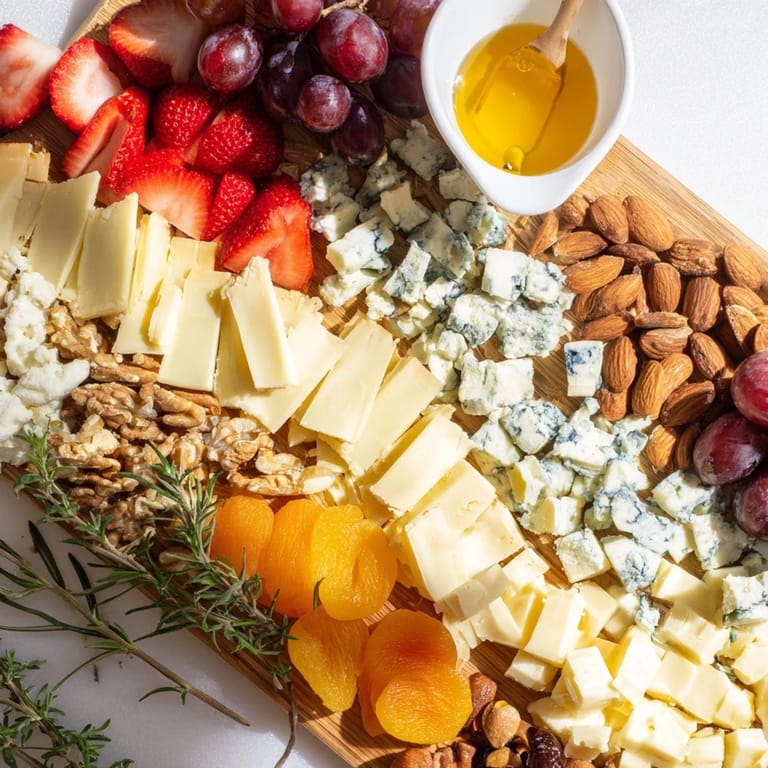
 I'll never forget my neighbor stopping mid-conversation and saying, "This isn't just a snack board—it's an installation." She grabbed a strawberry that had rolled onto the table and the whole room seemed to relax into the idea that abundance, a little chaos, and beauty could live together. That's the gift of this board: it gives permission for things to overflow.
The Art of the Arrangement
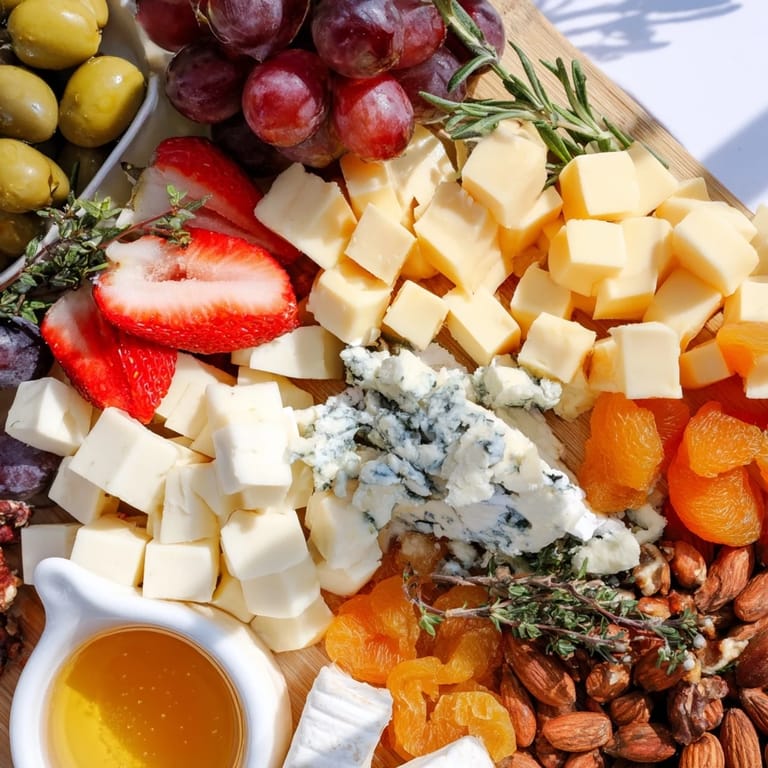
Building this board isn't about precision; it's about confidence and play. Start with your anchors—the cheeses and hearty items—then layer around them like you're filling in shadows on a painting. Every gap is an opportunity, and every color choice matters. I learned to think of the board like a landscape: cheeses are mountains, meats are clouds, and fruit cascades like water. Once you embrace that metaphor, the arrangement practically builds itself.
Customization and Substitutions
The beauty of a grazing board is that it bends to what you have and who you're feeding. Can't find blue cheese? Skip it—there's enough complexity elsewhere. Vegetarian guests? Remove the cured meats and add roasted vegetables or marinated artichokes instead. I've made versions with chocolate, candied nuts, and even fresh herbs that become edible elements. The waterfall technique works regardless of what fills it.
Pairing and Serving Wisdom
This board sings alongside a crisp white wine or sparkling rosé—something light that doesn't fight the flavors. I've also served it with a good coffee as an afternoon grazing moment, which somehow felt both sophisticated and casual. Set it out about 15 minutes before guests arrive so cheeses can come to their perfect temperature, and here's a secret: use parchment paper or butcher paper on the table beneath the board for easy cleanup and a polished presentation.
- A board this pretty deserves an audience, so set it up in a place where guests naturally gather.
- Have small plates and napkins nearby—people want to assemble bites intentionally, not just grab.
- Refill the hollowed areas as people eat; a well-tended board feels like an abundance that never runs out.
 Save Pin
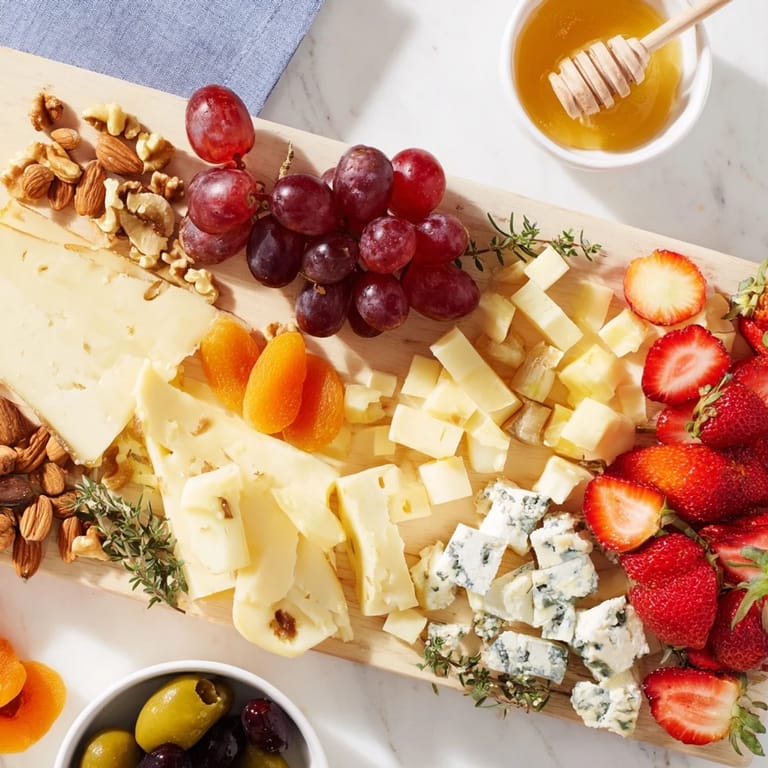
 A grazing board like this becomes less about feeding people and more about creating a moment where everyone feels celebrated. The waterfall edge reminds us that generosity doesn't have to be perfect to be beautiful.
Cooking Questions & Answers
- → How do I achieve the waterfall effect on the board?
Arrange ingredients in overlapping layers near the board's edge, letting some pieces fall loosely over to mimic a cascading effect for visual drama.
- → Can I make this board vegetarian-friendly?
Yes, simply omit the cured meats and focus on a variety of cheeses, fruits, nuts, and accompaniments to maintain bold flavors.
- → What types of cheeses work best for this setup?
Combining creamy, aged, and crumbly cheeses like Brie, Aged Cheddar, Blue cheese, and Goat cheese offers a balanced texture and flavor profile.
- → How should I prepare the nuts and dried fruits for the board?
Scatter dried apricots, figs, almonds, and walnuts both on and just off the board to complement fresh fruits and add crunchy texture.
- → What accompaniments enhance the flavors here?
Honey, fig jam, olives, and fresh herbs such as rosemary and thyme add sweetness, briny notes, and fragrant freshness to the spread.
- → What tools help assemble this grazing setup effectively?
Use a large wooden or marble board, small bowls for condiments, cheese knives, and serving tongs for neat presentation and ease of serving.