 Save Pin
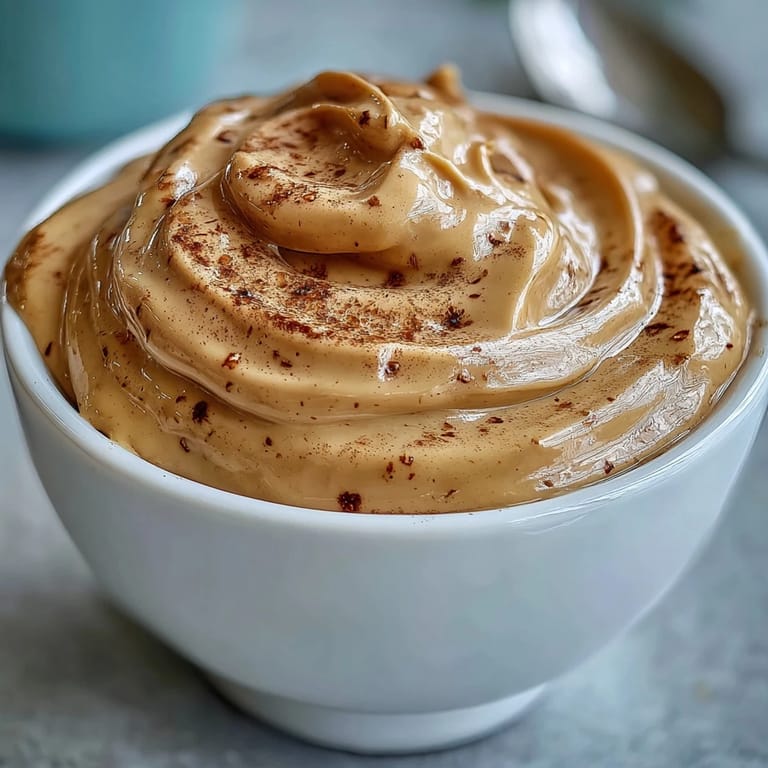
 A friend handed me a tiny cup of hojicha at a Tokyo tea shop, and I was struck by how the roasted aroma smelled nothing like the delicate green teas I knew. Warm, almost coffee-like, with this gentle nuttiness that lingered on my tongue. Weeks later, standing in my kitchen whisking egg yolks, I wondered if that same magic could live inside pastry cream. It could, and now I can't imagine filling a cream puff any other way.
I brought a box of hojicha-filled éclairs to a dinner party, and a guest who never eats sweets paused, tasted one, and asked for the recipe immediately. That's when I realized this wasn't just a technique—it was a conversation starter, a moment where something familiar became surprising.
Ingredients
- Whole milk (2 cups): This is your canvas for the tea's flavor; whole milk gives the cream luxurious body and prevents the hojicha taste from getting lost.
- Hojicha loose leaf tea (3 tablespoons): Loose leaf steeps more evenly than bags, but bags work fine if you're gentle with them—either way, the roasting process is what makes this special.
- Egg yolks (4 large): These create the custard's silken texture; room temperature yolks temper more smoothly, so pull them out while you heat the milk.
- Granulated sugar (1/2 cup): The sugar bonds with the egg yolks to prevent graininess and keeps the cream stable as it cools.
- Cornstarch (3 tablespoons): This is your thickening agent; it prevents the cream from breaking and gives it that glossy, pipe-able consistency.
- Unsalted butter (3 tablespoons): Added at the end, it enriches the cream and adds shine—don't skip this step even if it seems small.
- Vanilla extract (1/2 teaspoon): A whisper of vanilla rounds out the hojicha's smokiness without overwhelming it.
- Salt (pinch): A tiny amount amplifies the tea flavor and balances the sweetness.
Tired of Takeout? 🥡
Get 10 meals you can make faster than delivery arrives. Seriously.
One email. No spam. Unsubscribe anytime.
Instructions
- Steep the hojicha:
- Pour milk into a saucepan and watch it carefully—you want steaming tendrils rising, not a rolling boil. Once it's there, add the hojicha and let it sit quietly for 10 minutes, releasing that toasted, nutty aroma into the milk.
- Strain with intention:
- Pour the tea-infused milk through a fine sieve, pressing the leaves gently with the back of a spoon to coax out every bit of flavor, then discard them. The milk should smell deeper, more complex than before.
- Temper your eggs:
- In a separate bowl, whisk the egg yolks with sugar, cornstarch, and salt until the mixture turns pale and ribbony—this takes about 1 minute and matters more than you'd think. Slowly pour the warm milk into this mixture, whisking constantly; if you pour too fast, the yolks will scramble.
- Cook to thickness:
- Return everything to the saucepan over medium heat and whisk without stopping until the cream thickens and reaches a gentle boil. You'll feel it happen—sudden resistance in your whisk—and that takes about 2 to 3 minutes, though every stove is different.
- Finish with butter and vanilla:
- Remove from heat, whisk in the butter until it melts completely, then add vanilla. The cream should look glossy and smell irresistible.
- Protect from the skin:
- Transfer the warm pastry cream to a clean bowl and press plastic wrap directly onto the surface; this keeps that annoying skin from forming while it chills. It needs at least an hour in the refrigerator to set properly.
- Whisk before using:
- When the cream is completely cool and firm, give it a gentle whisk to smooth out any lumps and bring back its silkiness before piping or spreading.
 Save Pin
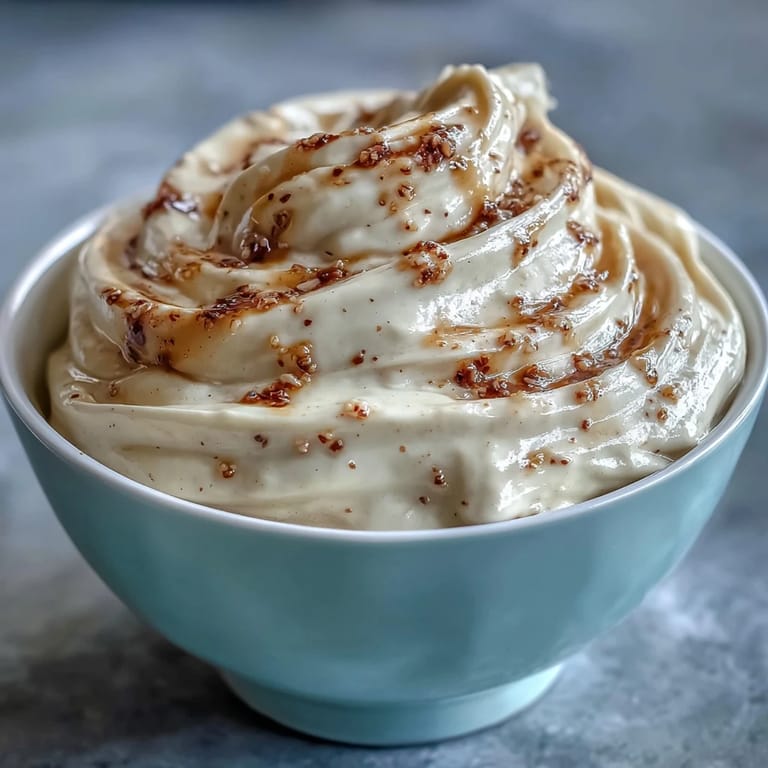
 My partner tasted a spoonful straight from the refrigerator before I'd even filled the first pastry, eyes closed, and said it tasted like a perfectly roasted moment. That's when I knew I'd captured something true from that tea shop.
The Magic of Hojicha
Hojicha is roasted green tea, which means it tastes almost the opposite of what you might expect from tea—warm instead of bright, mellow instead of grassy, with that gentle smokiness that tastes like burnt caramel and autumn leaves. When you steep it in milk, that flavor doesn't fight for attention the way matcha does; instead, it whispers underneath everything else, making people ask what's different about this cream. The roasting process is ancient Japanese technique, and using it in French pastry cream feels like having a conversation between two cuisines that never knew they were meant to talk.
Making It Your Own
Once you've made this cream once, you'll start seeing possibilities everywhere. Some bakers fold whipped cream into the finished hojicha cream for something lighter and airier, while others brush choux pastry with a hojicha wash before filling. I've layered it between thin almond cake and topped it with a dark chocolate glaze, and I've piped it into cream puffs for a dessert that tastes refined but feels effortless to eat.
Storage and Making Ahead
This cream keeps in the refrigerator for up to 3 days, which means you can make it the day before you need it, or even two days ahead if you're planning a dinner party and want to minimize morning stress. If you're using hojicha powder instead of loose leaf tea, whisk 2 teaspoons directly into the warm milk and let it sit for about 5 minutes before moving to the next step—the powder dissolves more quickly than leaves and makes for slightly different texture, but tastes just as beautiful.
- For a lighter filling, fold whipped cream into the chilled hojicha pastry cream just before using it.
- Hojicha powder is messier to work with but works perfectly if loose leaf tea isn't available.
- If you find lumps in the finished cream, press it through a fine sieve before chilling to smooth everything out.
 Save Pin
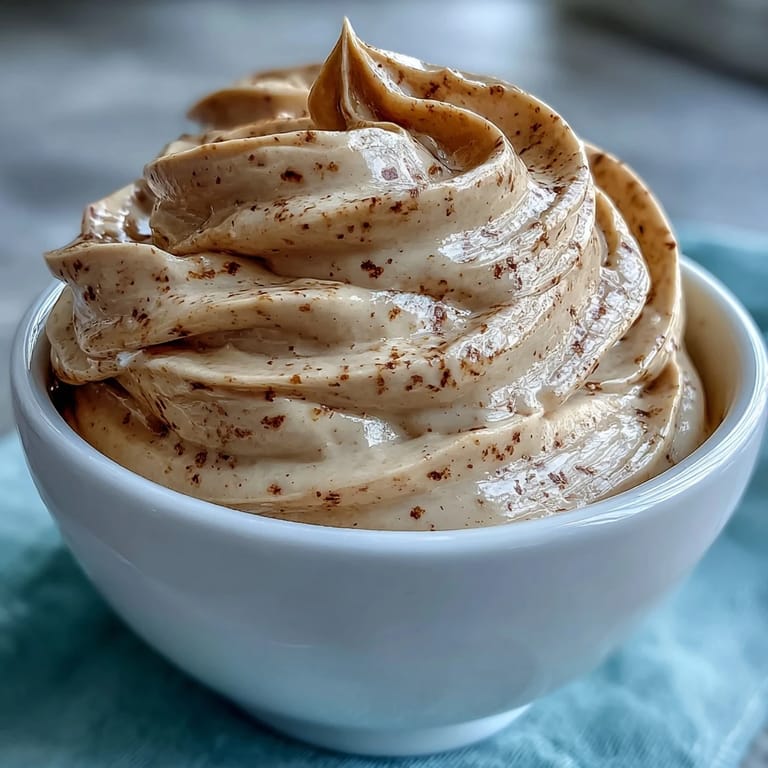
 This cream has a way of making simple desserts feel special, and more than once I've found myself making it just to taste that quiet hojicha flavor again. It's the kind of recipe that reminds you why cooking for people matters.
Cooking Questions & Answers
- → What does hojicha taste like in pastry cream?
Hojicha adds a toasted, nutty flavor with subtle smokiness and caramel undertones. It's mellower than matcha, creating a sophisticated taste that pairs wonderfully with vanilla and butter in custards.
- → Can I use hojicha powder instead of loose leaf?
Yes, substitute 2 teaspoons of hojicha powder for the loose leaf tea. Whisk it directly into the hot milk until fully dissolved before proceeding with the egg mixture.
- → How long does this custard keep in the refrigerator?
Properly stored with plastic wrap pressed directly onto the surface, the pastry cream will keep for 2-3 days in the refrigerator. The direct contact prevents a skin from forming.
- → Why press plastic wrap onto the custard surface?
Pressing wrap directly onto the surface prevents a skin from forming as it cools. This ensures a smooth, silky texture throughout without any dry or film-like layers.
- → Can I freeze hojicha pastry cream?
Freezing is not recommended as it can cause the custard to separate and become grainy when thawed. Best enjoyed fresh or refrigerated within a few days of preparation.
- → What desserts work best with this filling?
Ideal for cream puffs and éclairs, this custard also shines as a cake layer filling or topping for fruit tarts. Try pairing with matcha-flavored choux pastry for a beautiful Japanese-French dessert.