 Save Pin
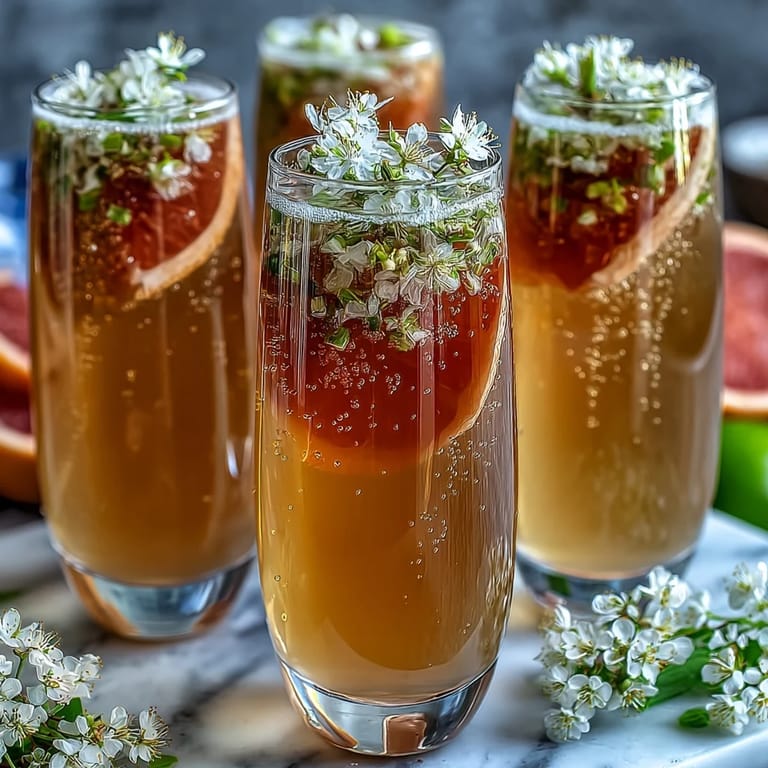
 My neighbor threw open her kitchen window one spring morning, and the whole apartment building smelled like elderflowers. She'd been making elderflower cordial for weeks, and when she finally invited me over for brunch, she poured this ethereal pale gold drink into a champagne flute—guava nectar, her homemade elderflower liqueur, and crisp champagne all dancing together. One sip and I understood why she'd been so obsessed. It wasn't just a drink; it was springtime and tropical warmth meeting in the middle of a Sunday morning.
I made these for the first time when my sister visited unexpectedly on a Saturday. She'd been stressed about work, and I wanted something that felt celebratory without being fussy. Watching her face when that first sip hit—the floral notes blooming on her palate, then that tropical sweetness following—reminded me that sometimes the simplest gestures matter most. We ended up making a second batch because the first one disappeared faster than I'd anticipated.
Ingredients
- Guava nectar: This is your tropical heart—look for pure nectar without added sugars if you can find it, and keep it cold because temperature matters when you're building a balanced drink.
- Elderflower liqueur: St-Germain is the classic choice, but any quality elderflower liqueur will work; the floral notes should smell delicate and almost perfume-like, not artificial.
- Champagne or sparkling wine: Don't overthink this—you don't need the most expensive bottle, just something with good bubbles and a taste you actually enjoy drinking straight.
- Edible flowers or guava slices: These are optional but they transform the whole experience, turning a cocktail into something that feels intentional and beautiful.
Tired of Takeout? 🥡
Get 10 meals you can make faster than delivery arrives. Seriously.
One email. No spam. Unsubscribe anytime.
Instructions
- Start with the guava base:
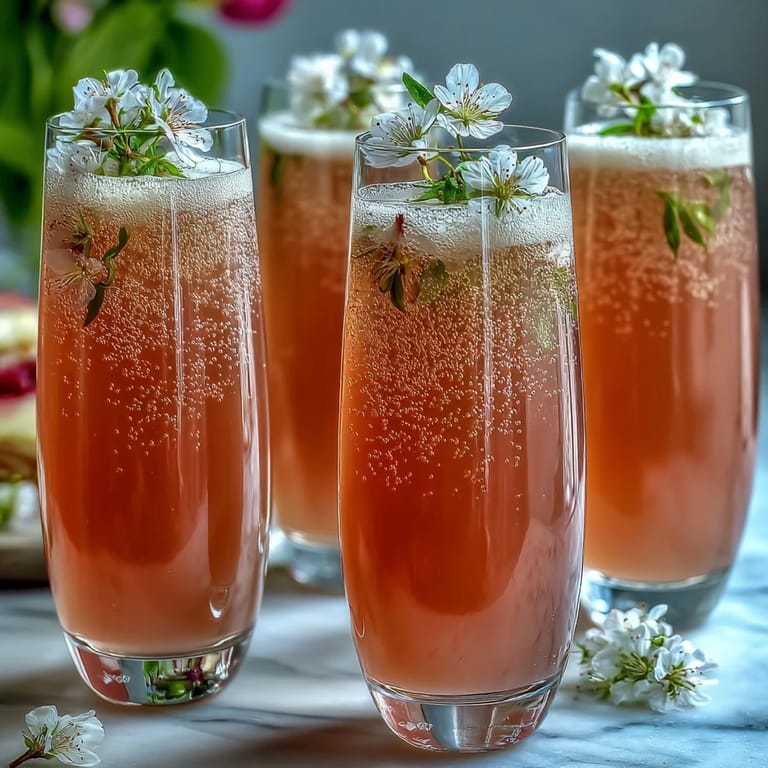
- Pour exactly 1/4 cup of chilled guava nectar into each champagne flute—measure it so the ratios stay consistent across all four glasses. The nectar should settle at the bottom with a warm golden glow.
- Add the elderflower note:
- Pour 2 tablespoons of elderflower liqueur into each glass, pouring slowly so it mingles gently with the guava rather than splashing. You'll notice the color shift toward amber as the flavors begin to meet.
- Top with champagne:
- Tilt each flute slightly and pour the chilled champagne down the side in one smooth motion until the glass is nearly full. The bubbles will rise from the bottom, carrying all those flavors upward in the most satisfying way.
- Stir and garnish:
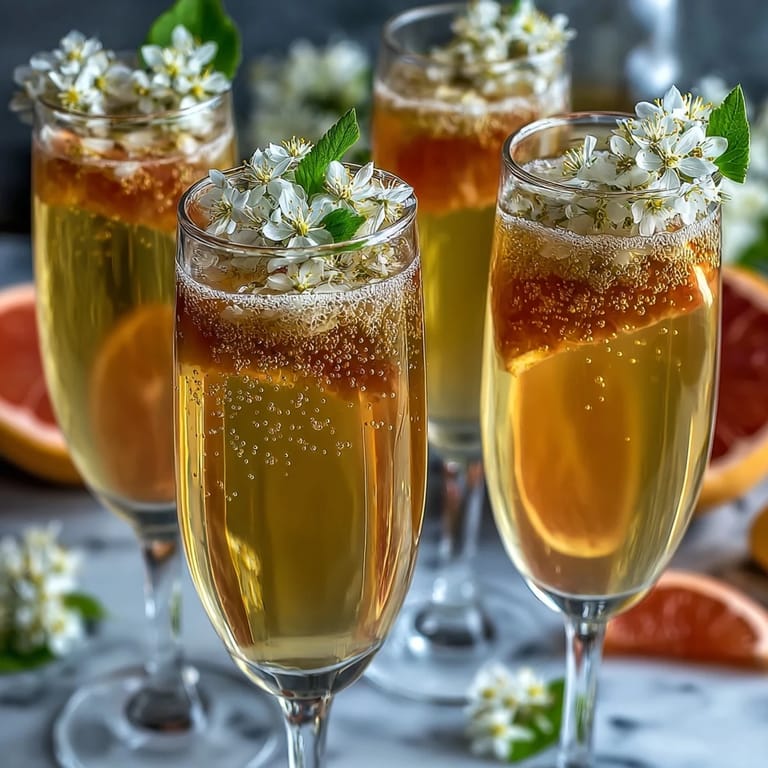
- Give each drink one gentle stir with a bar spoon to combine everything without losing the bubbles. If you're using garnish, perch a thin guava slice on the rim or float an edible flower on top, then serve immediately while everything is ice-cold.
 Save Pin
 There's a quiet magic that happens when you hand someone a drink that's both beautiful and unexpected. My friend closed her eyes after the first sip, and in that moment, I understood that we were celebrating something larger than just flavor—we were creating a moment worth remembering.
Building Your Perfect Balance
The magic of this mimosa lives in the ratio. Too much guava and it becomes dessert in a glass; too much elderflower and it tastes perfume-like. The champagne is what brings everything into focus, so resist the urge to skimp on it. I learned this after making a batch where I got excited about the guava and used too much—the drink lost its sophistication and tasted more like sweetened fruit punch. Start with the measurements given, then adjust based on what your palate tells you.
When You Want to Make It Your Own
Once you understand the foundation, this drink becomes a playground. Some mornings I add a splash of fresh lemon juice to brighten it further, or a single fresh mint leaf that floats at the top like a tiny green sail. On other occasions, I've used regular sparkling wine instead of champagne just because that's what I had, and it was equally delicious. The structure is flexible enough to welcome your preferences without falling apart.
Making It Work for Everyone
Not everyone at your table might drink alcohol, and that's where the beauty of this formula reveals itself. Swap the elderflower liqueur for elderflower syrup (available at most specialty stores or online), use sparkling water or alcohol-free sparkling wine, and you've created something just as special for everyone. The guava and floral notes remain the stars, and no one feels like they're settling for something less celebratory. I've done this countless times, and honestly, the mocktail version is just as elegant.
- Keep all your ingredients in the refrigerator for at least two hours before mixing so nothing dilutes with excessive ice.
- If you're making multiple batches, prep a pitcher with the guava and elderflower mixture and pour champagne into glasses individually right before serving.
- These drinks are best enjoyed immediately, but if you need to make them ahead, skip the champagne and add it just before guests arrive.
 Save Pin
 These drinks remind me why cooking and mixing drinks are fundamentally the same act—they're both about bringing people together and creating a moment worth savoring. Make them for yourself on a quiet morning, or make them for a crowd of people you love.
Cooking Questions & Answers
- → What does elderflower liqueur taste like?
Elderflower liqueur has delicate floral notes with hints of pear, lychee, and citrus. It adds a sophisticated sweetness that pairs beautifully with tropical fruits like guava.
- → Can I make this non-alcoholic?
Yes! Substitute elderflower syrup for the liqueur and replace champagne with sparkling water or non-alcoholic sparkling wine. The flavor profile remains refreshing and floral.
- → What type of champagne works best?
A dry brut or extra brut champagne provides the best balance with the sweet guava nectar. Prosecco or cava are excellent budget-friendly alternatives that work equally well.
- → Can I prepare these in advance?
Mix the guava nectar and elderflower liqueur ahead of time and refrigerate. Add the champagne just before serving to maintain the bubbly texture and freshness.
- → What foods pair well with this cocktail?
Light pastries, fresh fruit platters, brunch classics like eggs benedict, or delicate seafood dishes complement the tropical and floral notes beautifully.
- → How can I adjust the sweetness?
Reduce the guava nectar or elderflower liqueur for a lighter taste, or increase either ingredient for a sweeter profile. Taste as you build to find your perfect balance.