 Save Pin
 My neighbor Martha handed me a small jar of dandelion petals one April morning, insisting I try something special with them. I'd walked past those cheerful yellow flowers a thousand times without thinking twice, but watching her face light up as she described baking them into scones made me curious. That afternoon, I pulled together butter, honey, and flour—and discovered something magical about how a humble spring flower could transform a simple scone into something that tasted like sunshine and possibility.
Last spring, I made these scones for my book club, and something unexpected happened: nobody talked about the book. Instead, we sat on the porch passing around warm scones slathered with clotted cream, debating whether the honey or the dandelion petals stole the show. One friend asked for the recipe before finishing her first scone, and I realized then that the best recipes aren't measured in cups and teaspoons—they're measured in moments when people stop and just enjoy being together.
Ingredients
- All-purpose flour (2 cups): The foundation of tender scones; measure by spooning and leveling for accuracy, never pack it down or your scones turn dense.
- Granulated sugar (1/4 cup): Just enough sweetness to let the honey and dandelion shine; too much masks the delicate floral notes.
- Baking powder (1 tbsp): The magic ingredient that makes these rise into fluffy clouds; check your container for freshness since old baking powder won't lift properly.
- Fine sea salt (1/2 tsp): A pinch that makes every other flavor wake up and sing.
- Unsalted butter, cold and cubed (1/2 cup): Cold butter is non-negotiable—it creates steam pockets that become those golden, flaky layers you're chasing.
- Whole milk, cold (2/3 cup): The liquid that brings everything together; keeping it cold helps prevent the dough from becoming tough.
- Dandelion petals, fresh (2 tbsp in dough, 2 tbsp for garnish): Only use fully opened yellow petals from pesticide-free plants; the green parts taste bitter and will ruin the delicate flavor balance.
- Honey (2 tbsp in dough, 1 tbsp for drizzling): Choose a mild honey that won't overpower; wildflower or clover honey works beautifully here.
- Large egg (1): Helps bind the dough and adds richness to the crumb.
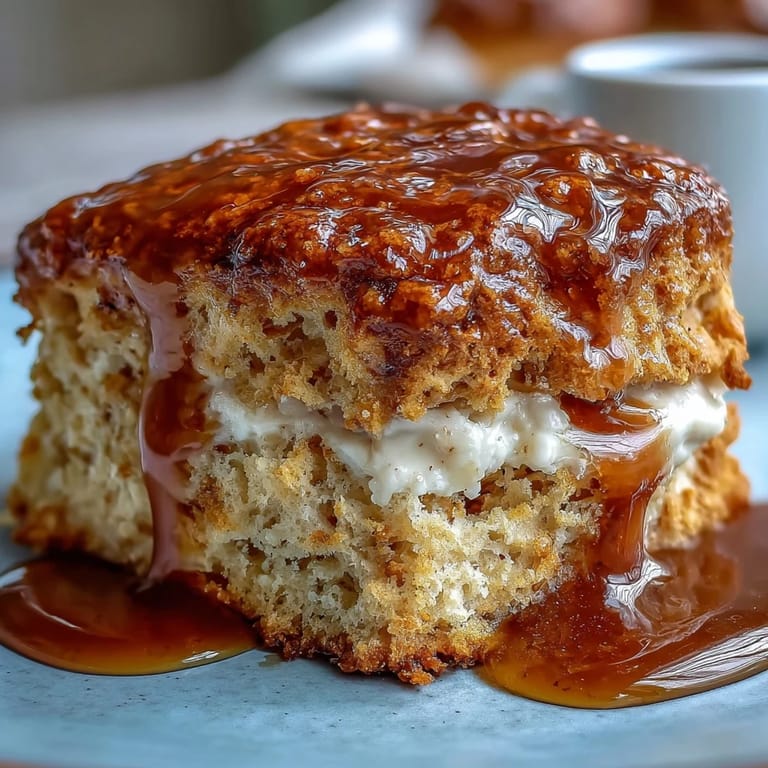
- Clotted cream: The crowning glory; if you can't find it, whipped cream works, though it won't have that same luxurious density.
Tired of Takeout? 🥡
Get 10 meals you can make faster than delivery arrives. Seriously.
One email. No spam. Unsubscribe anytime.
Instructions
- Heat Your Oven and Prepare:
- Preheat to 400°F (200°C) and line your baking sheet with parchment paper—this prevents sticking and lets you focus on the dough rather than wrestling with a spatula. A hot oven is essential for that quick rise that makes scones pillowy.
- Mix the Dry Ingredients:
- Whisk flour, sugar, baking powder, and salt together in a large bowl, making sure the baking powder is evenly distributed so every scone rises consistently. This simple step prevents lumps and ensures balanced leavening.
- Cut in the Cold Butter:
- Using a pastry cutter, two forks, or your fingertips, work the cold butter cubes into the flour until the mixture looks like coarse breadcrumbs. The little butter pieces create steam pockets during baking that become your flaky layers—rushing this step or using warm butter defeats the whole purpose.
- Combine the Wet Ingredients:
- In a small bowl, whisk together milk, honey, egg, and the 2 tbsp of fresh dandelion petals until mostly combined. A few petals floating around is perfect; don't worry about them being perfectly even.
- Bring It Together Gently:
- Pour the wet mixture into the dry ingredients and stir with a fork until just combined—stop the moment you see no dry flour streaks. Overmixing develops gluten, which makes tough, dense scones; a shaggy, slightly lumpy dough is exactly what you want.
- Shape Your Scones:
- Turn the dough onto a lightly floured surface and gently pat it into a 1-inch-thick round, about 6 inches across. Cut into 8 wedges like a pizza, then transfer each one to your prepared baking sheet, spacing them about an inch apart so steam can circulate.
- Bake Until Golden:
- Bake for 16 to 18 minutes until the scones are golden brown and slightly puffed—your kitchen will smell like honey and spring. Don't open the oven door before 15 minutes or you'll release the heat and deflate all your careful work.
- Finish with Flourish:
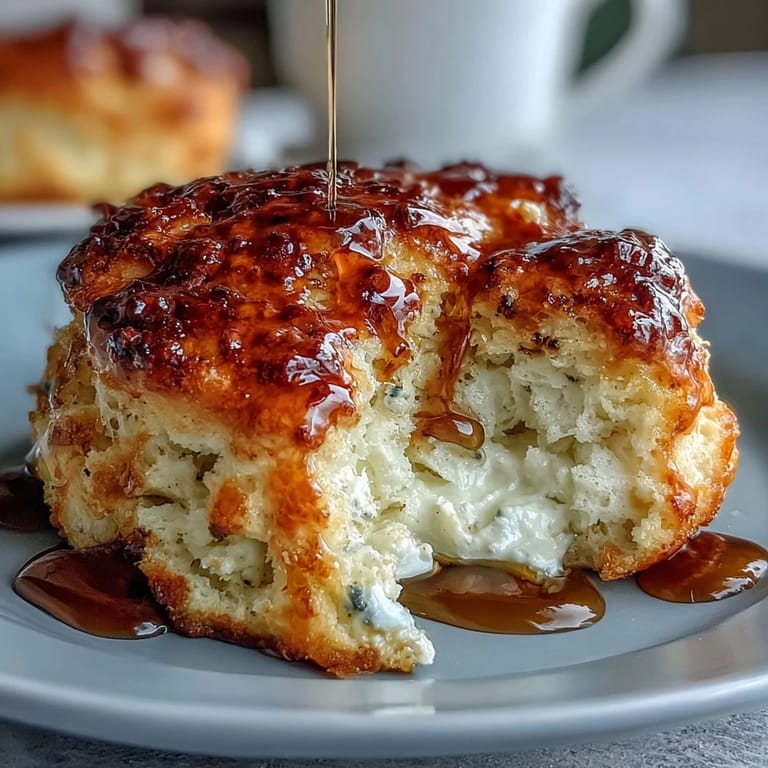
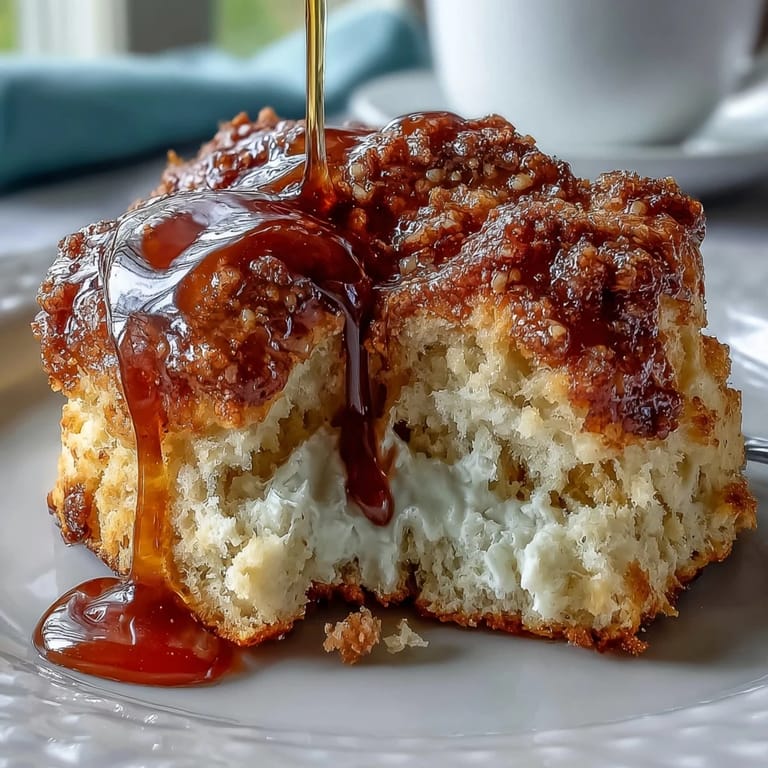
- While still warm, drizzle lightly with honey and scatter the remaining fresh dandelion petals over the top for a gorgeous springtime finish. The warmth helps the honey seep into the crumb slightly, adding moisture and sweetness.
- Serve and Savor:
- Let them cool for just a few minutes, then serve with generous dollops of clotted cream while they're still warm enough to have that tender, just-baked texture. Cold scones are lovely, but warm scones are transcendent.
 Save Pin
 There's a moment when you pull warm scones from the oven and that floral honey aroma hits your face—that's when you know you've created something worth sharing. These scones remind me that the best brunch food isn't about showing off; it's about taking ordinary spring ingredients and treating them with respect and a light touch.
The Magic of Dandelion Petals
I used to see dandelions as weeds until Martha changed my mind. The yellow petals have a subtle, almost honey-like sweetness that plays beautifully with butter and cream—nothing overpowering, just a whisper of spring flavor that makes people pause mid-bite and ask what just happened. The key is using petals that are fully opened and vibrant, picked from places you know haven't been sprayed with chemicals. A lawn treated with pesticides will ruin the delicate flavor and introduce bitterness that no amount of honey can fix.
Why Cold Butter Matters More Than You Think
The difference between a dense, greasy scone and one with tender, flaky layers comes down to temperature. Cold butter doesn't blend smoothly into the flour; instead, it stays in little pockets that steam during baking, creating those desirable cracks and layers. Warm butter gets absorbed into the flour and you lose that magic entirely. On warm days, I even chill my bowl and my hands before working with the dough.
Making This Brunch Moment Your Own
The beauty of these scones is their flexibility—they're rustic enough for a casual Sunday morning but elegant enough for guests. I've made them with different floral touches depending on the season, though dandelion will always feel like the first sign of spring to me. The clotted cream is traditional, but whipped cream works beautifully too, and I've even served them with mascarpone mixed with a touch of honey for a slightly tangier version.
- If you can't find dandelion petals, try lavender buds or violets for a different but equally lovely floral scone.
- Make the dough the night before and refrigerate it, then bake in the morning for a freshly baked brunch without the early wake-up.
- Leftover scones taste lovely toasted the next day with butter and jam, though they're truly best within hours of baking.
 Save Pin
 These scones have become my answer to spring—they taste like warmth, like being outside, and like gathering around a table with people you care about. Make them soon, and share them with someone who needs a small moment of joy.
Cooking Questions & Answers
- → Can I use dried dandelion petals instead of fresh?
Fresh dandelion petals provide the best floral flavor and texture. Dried petals may be less vibrant and could alter the taste.
- → How should the butter be prepared for the dough?
Use cold, cubed unsalted butter to ensure a flaky, tender texture in the scones when mixed into the dry ingredients.
- → What is the purpose of drizzling honey after baking?
Drizzling honey adds a touch of sweetness and enhances the floral notes while adding a glossy finish.
- → Can clotted cream be substituted, and what works best?
Yes, whipped cream or mascarpone can be used as alternatives, offering a creamy and rich accompaniment.
- → How do I avoid bitter flavors from dandelions?
Use only fully opened, pesticide-free dandelion petals and avoid any green parts to prevent bitterness.