 Save Pin
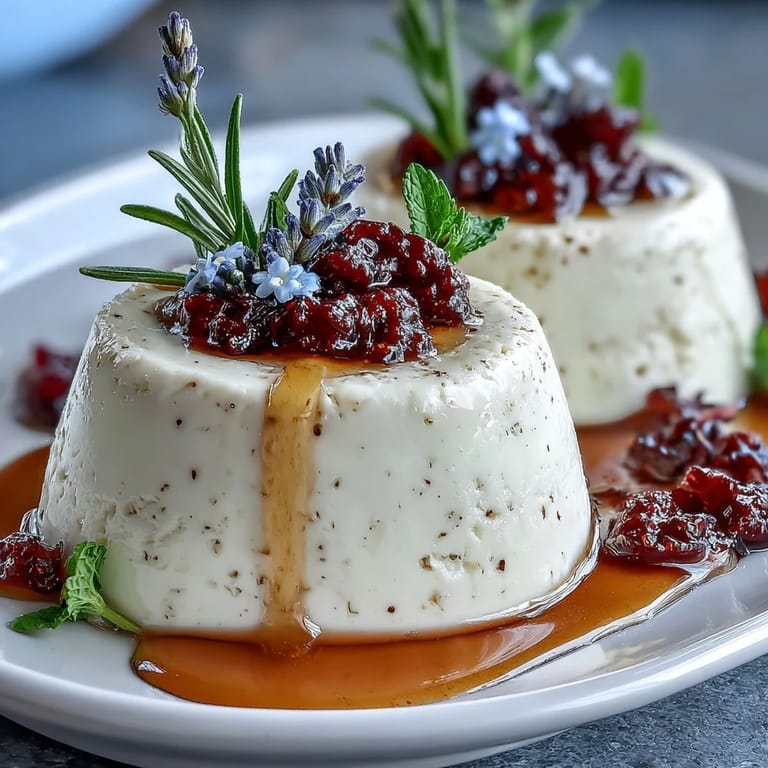
 There's something almost magical about the moment cream transforms into silk under your fingertips. I discovered panna cotta on a Tuesday afternoon when my neighbor mentioned she'd served it at a dinner party, and something about the way she described it—so simple, yet so elegant—made me want to try it immediately. The lavender and honey variation came later, born from a impulse buy at a farmer's market where the vendor practically insisted I take home her dried culinary lavender. That first spoonful, cool and delicate with just a whisper of floral sweetness, changed how I thought about desserts entirely.
I made this for my sister's engagement brunch on a sun-soaked May morning, and I watched her close her eyes after the first bite, that little pause people do when something tastes better than they expected. She asked me for the recipe right then, spooon still in hand, and when I told her the ingredient list, she couldn't believe how few things it actually was. That's when I realized panna cotta's real magic: it whispers rather than shouts, and sometimes that's exactly what a moment needs.
Ingredients
- Heavy cream: Use the real thing, not whipped—it's the foundation of that luxurious texture, and it won't deflate on you.
- Whole milk: This keeps things from feeling too heavy while still maintaining that creamy character.
- Honey: Floral honey works beautifully here, but even regular honey brings warmth and body to the dessert.
- Dried culinary lavender: Buy it specifically labeled for cooking, not potpourri—there's a real difference in flavor and safety.
- Pure vanilla extract: Don't skip this; it rounds out the lavender without competing with it.
- Unflavored powdered gelatin: This is the secret to the wobble, that gentle jiggle that makes panna cotta irresistible.
- Cold water: For blooming the gelatin—warm water here and you've already lost half your battle.
Tired of Takeout? 🥡
Get 10 meals you can make faster than delivery arrives. Seriously.
One email. No spam. Unsubscribe anytime.
Instructions
- Bloom the gelatin:
- Sprinkle gelatin over cold water in a small bowl and let it sit for 5 minutes. This isn't optional—the gelatin needs those minutes to absorb the water and become spongy, or it'll clump when you add it to the warm cream.
- Heat the cream mixture gently:
- Combine heavy cream, whole milk, honey, and dried lavender in a medium saucepan, then warm it over medium-low heat until it just starts to steam. You're not making soup here—watch for that gentle shimmer at the edges, not a rolling boil.
- Let the lavender whisper:
- Remove from heat, cover the pan, and let it steep for 10 minutes. This is when the magic happens; the lavender slowly releases its essence without becoming bitter.
- Strain with care:
- Pour the mixture through a fine-mesh sieve to catch every lavender speck. Don't press down on the solids—just let gravity do the work.
- Dissolve and combine:
- Return the strained cream to the saucepan, then stir in your bloomed gelatin until it disappears completely into the warm liquid. Add vanilla extract last, stirring gently.
- Set in the cold:
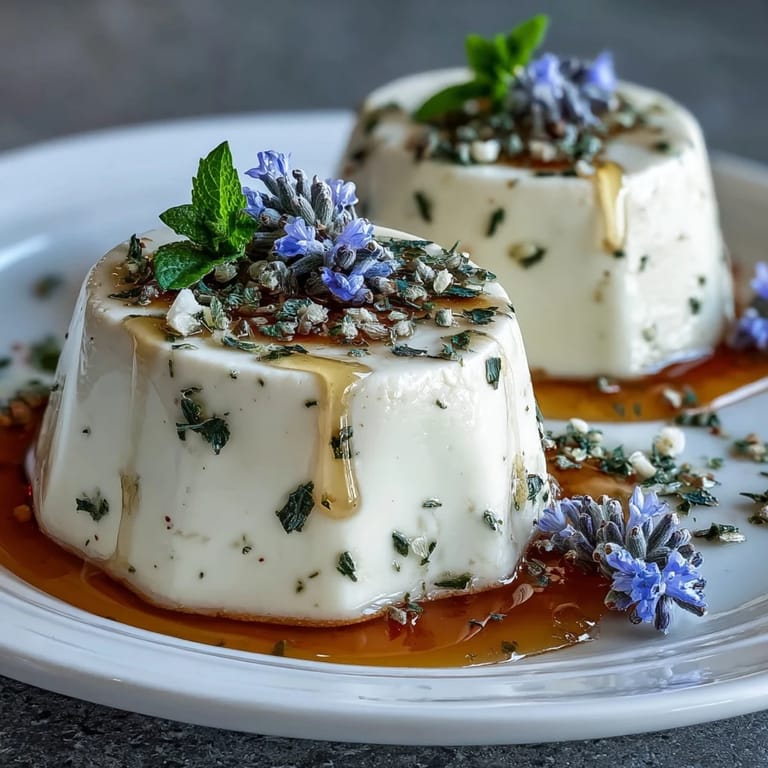
- Pour the mixture into ramekins or glasses, let it cool to room temperature first, then cover and refrigerate for at least 4 hours. Overnight is even better if you have time—patience is the real ingredient here.
 Save Pin
 I remember my daughter asking if we could make it together on a quiet Sunday afternoon, and somehow that simple dessert became our thing. Every spring since, she's the one who reminds me it's panna cotta season, and we've added our own traditions—fresh berries from the market, a drizzle of honey we pick ourselves. It taught me that the best recipes are the ones that ask you to slow down and show up.
Unmolding Versus Serving in Glass
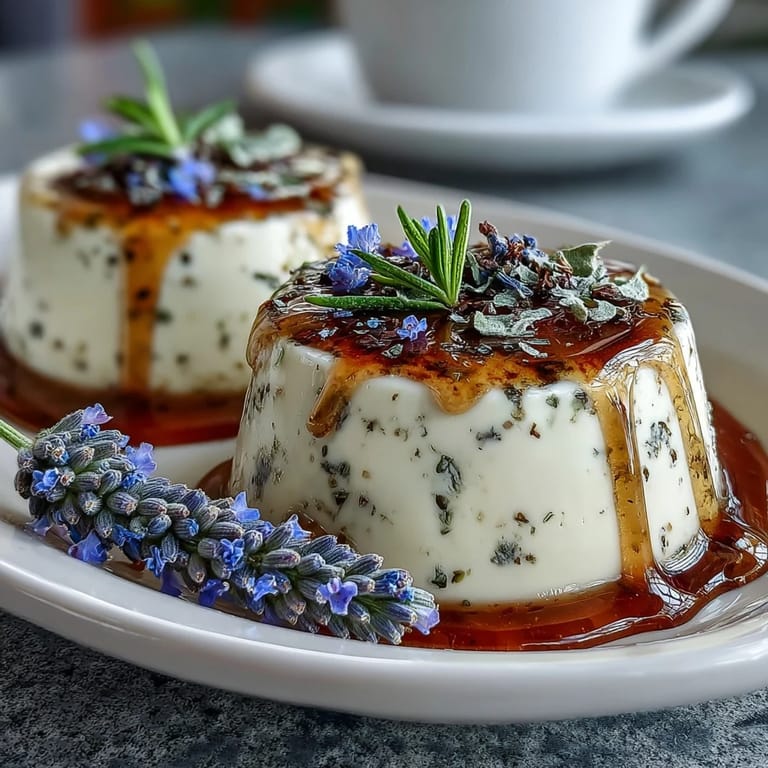
You can serve this directly in the glass it set in—honestly, that's my favorite method on weeknights because there's no risk of the panna cotta sliding across the plate. But unmolding is the showstopper move: run a warm knife tip around the edge, give the ramekin a gentle invert, and watch it land perfectly on the plate like you've been doing this for years. Either way, it looks intentional and tastes like celebration.
Flavor Variations Worth Trying
The base recipe is wonderful, but once you understand how it works, you'll want to experiment. Orange blossom honey instead of regular honey completely changes the mood, or you could try rosewater in place of some of the vanilla. I've made versions with Earl Grey tea steeped in the cream, and my neighbor swears by a version where she adds a touch of cardamom. The beauty is that panna cotta is forgiving—it accepts new ideas like it was born knowing them.
Making It Your Own
This dessert seems delicate, but it's actually one of the most adaptable things you can make in a home kitchen. Whether you're serving it to impress someone or making it for yourself on a quiet evening, the method stays the same. The ingredient list is short enough that you can taste each component clearly, so don't be shy about adjusting the honey or lavender to match your own preferences.
- If you prefer less floral intensity, use just one and a half teaspoons of dried lavender instead of two.
- A shortbread cookie on the side adds a textural contrast that makes every spoonful feel more complete.
- Fresh berries aren't just pretty—they add a tiny pop of acidity that cuts through the richness perfectly.
 Save Pin
 This recipe taught me that sometimes the most memorable desserts aren't the ones that demand hours of your time, but the ones that demand your presence. Make this when you have someone to share it with, or make it just for yourself and really pay attention to that first spoonful.
Cooking Questions & Answers
- → What floral ingredient adds scent to this dessert?
Dried culinary lavender imparts a gentle floral aroma and flavor.
- → How is the dessert set to achieve a creamy texture?
Gelatin is bloomed in cold water then incorporated to create a smooth, firm consistency.
- → Can the sweetness level be adjusted?
Yes, honey quantity can be modified or different floral honeys used for varied sweetness and aroma.
- → What tools are needed for preparation?
A small bowl, medium saucepan, fine-mesh sieve, whisk, and ramekins or glasses are essential.
- → Is there a plant-based alternative for gelatin?
Vegan options include agar agar replacing gelatin, with coconut milk used instead of dairy.