 Save Pin
 My first encounter with pelmeni wasn't in a restaurant—it was at a cramped kitchen table on a snowy evening, watching my neighbor's grandmother fold dumplings with the kind of practiced efficiency that made it look effortless. She'd been making them for decades, her weathered hands moving so quickly I could barely follow the motions. I asked if I could try, and she laughed, handed me a small circle of dough, and patiently guided me through the folding. It took me five attempts to get one that didn't leak filling into the boiling water, but that first successful batch, swimming in hot broth and crowned with a generous dollop of sour cream, tasted like pure comfort.
I made these for a dinner party once, thinking I'd have everything prepped and ready. Instead, I spent the entire afternoon on my kitchen floor with flour in my hair, laughing at myself as my guests arrived early to find me surrounded by half-folded dumplings. But when we finally sat down, everyone went quiet for a moment after that first bite—the tender dough giving way to the seasoned meat, the cool sour cream balancing the savory filling. Someone asked for the recipe before dessert, and I realized that pelmeni wasn't just food; it was this unexpected bridge between effort and generosity.
Ingredients
- All-purpose flour (2 cups): Use a kitchen scale if you have one—it makes a real difference in getting the dough texture right, not too sticky or stiff.
- Cold water (1/2 cup): The temperature matters more than you'd think; it keeps the dough from becoming elastic too fast and gives you more working time.
- Large egg (1): This binds everything and gives the dough a slight richness that plain water can't provide.
- Salt for dough (1/2 tsp): Don't skip this small amount—it seasons the dough itself and strengthens the gluten structure.
- Ground pork (7 oz) and ground beef (7 oz): The combination of both meats creates a more complex, savory flavor than either one alone would.
- Small onion, grated (1): Grating instead of mincing releases the juice and distributes the onion flavor evenly throughout the filling.
- Garlic (2 cloves, minced): Fresh garlic adds a gentle pungency that rounds out the meat filling beautifully.
- Black pepper (1/2 tsp): Freshly cracked pepper makes a noticeable difference in how the filling tastes.
- Cold water for filling (2 tbsp): This tiny amount of liquid keeps the filling moist and tender once cooked.
- Sour cream (1 cup): Use full-fat sour cream for the best texture and tang—it's the crown jewel of this dish.
- Fresh dill (1 tbsp, optional): It adds a fresh, delicate note that cuts through the richness of the sour cream.
Tired of Takeout? 🥡
Get 10 meals you can make faster than delivery arrives. Seriously.
One email. No spam. Unsubscribe anytime.
Instructions
- Make a dough you can actually work with:
- Combine flour and salt in a bowl, then add the egg and gradually mix in cold water until a shaggy dough forms. Knead for 8–10 minutes until it's smooth and elastic, then cover and rest for 20 minutes—this rest period is when the gluten relaxes and makes your dough easier to roll and fold.
- Build the filling with intention:
- Mix ground pork and beef with the grated onion, garlic, salt, pepper, and cold water until everything is sticky and well combined. The moisture from the onion and that small bit of water keeps the filling from drying out as it cooks.
- Roll thin and cut with precision:
- On a lightly floured surface, roll the dough to about 2 mm thick—thin enough that you can almost see through it. Use a 2.5-inch round cutter to cut circles, and gather scraps to re-roll as needed.
- Fill and fold with care:
- Place about 1 teaspoon of filling in the center of each circle, fold into a half-moon, and pinch the edges tightly. Then bring the two pointed corners together and pinch to seal, forming that classic little purse shape—the technique takes practice, but it's worth it.
- Boil until they float:
- Drop pelmeni into a pot of salted boiling water in batches, stirring gently to prevent them from sticking to the bottom. They're done when they float to the surface and stay there for a minute or two, which means the filling is cooked through.
- Finish with generosity:
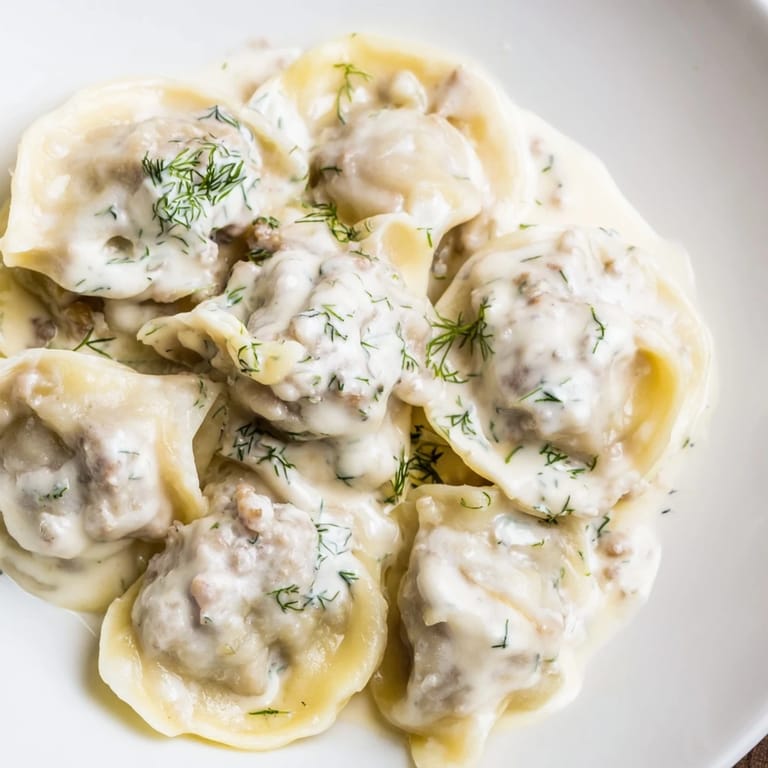
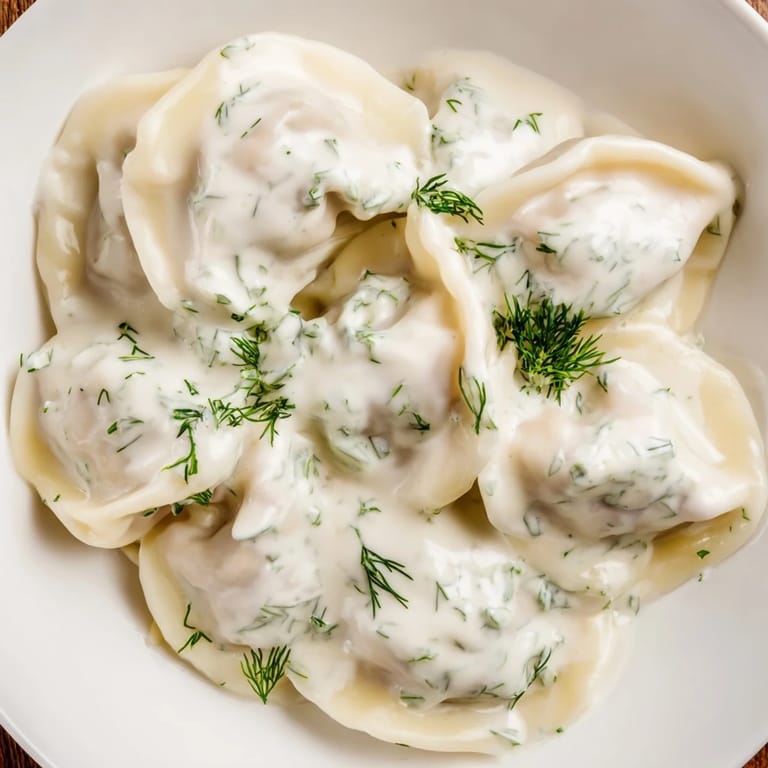
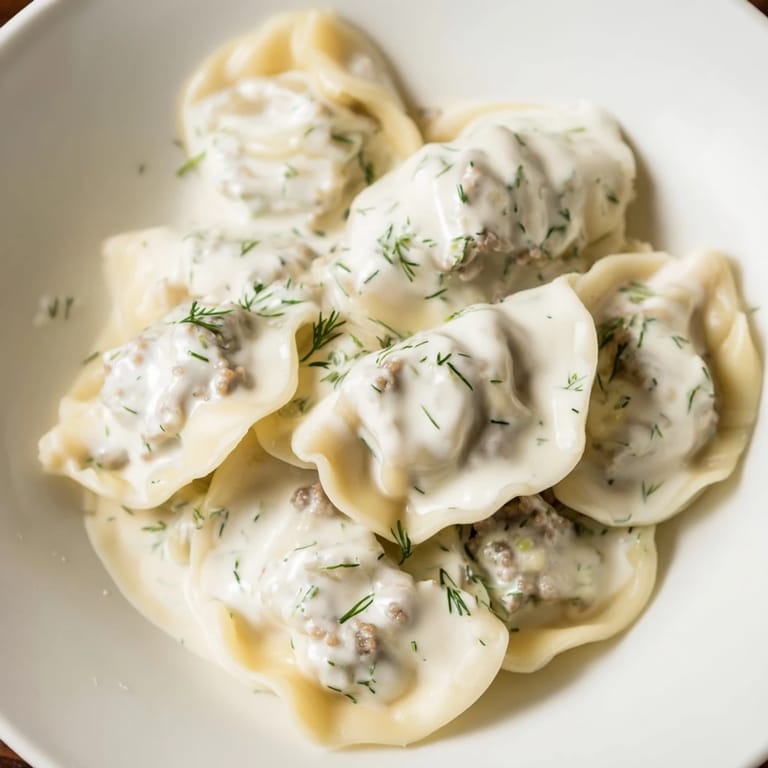
- Remove the pelmeni with a slotted spoon and serve immediately, topped with sour cream and fresh dill if you have it. The warmth of the dumplings will slightly melt the cold sour cream, creating this incredible contrast of temperatures and textures.
 Save Pin
 There's something almost meditative about folding these dumplings, especially once you find your rhythm. I remember sitting on my kitchen stool at midnight, half-watching an old film, folding pelmeni on automatic while my hands did the work. By the end, I had a tray of forty perfect little dumplings, and I felt oddly proud of something so small yet so intentional.
The Secret to Tender Dough
The dough is where most people stumble, but it's actually forgiving if you understand what's happening. When you knead it, you're developing gluten, which is what gives the dough its structure and elasticity. The 20-minute rest isn't just a suggestion—it's when the gluten relaxes and the flour fully hydrates, making the dough softer and easier to roll without it snapping back at you. I learned this the hard way, trying to roll dough that was still tense from kneading, and it frustrated me until an older friend pointed out that patience with dough is patience with yourself.
Filling That Actually Stays Inside
The filling's consistency is crucial, and most recipes don't emphasize this enough. You want it slightly sticky, almost paste-like, because that moisture helps it cling together as it cooks. When I first made pelmeni, I used dry meat mixture and watched them burst open in the water, releasing little wisps of filling that floated away like tiny disappointments. The next time, I added water and grated onion, and suddenly everything stayed sealed and tender. It's one of those small adjustments that transforms the whole experience.
Freezing and Make-Ahead Magic
One of the greatest gifts pelmeni offer is their freezer-friendliness, which means you can make them on a calm weekend and eat them throughout the month. I always freeze them in a single layer on a baking tray first, then transfer to freezer bags so they don't turn into one giant clump. They go straight from freezer to boiling water—no thawing needed—and cook for just a minute or two longer. This strategy has saved me on countless busy weeknights when I needed something warming and substantial but didn't have the time to make it from scratch.
- Freeze pelmeni in a single layer first, then bag them to prevent clumping.
- Cooked pelmeni can be stored in the refrigerator for about three days and reheated gently with a little broth or sour cream.
- A batch of 40 pelmeni feels manageable once you get into the rhythm, and the payoff of having them on hand is absolutely worth the afternoon spent folding.
 Save Pin
 Pelmeni taught me that some of the most nourishing foods are the ones you make with your hands, the ones that require a little patience and a willingness to learn from small mistakes. Every time I fold them, I think of that snowy evening and my neighbor's grandmother, and I'm grateful for the quiet knowledge she shared.
Cooking Questions & Answers
- → What is the best flour for the dough?
All-purpose flour works well to create a smooth and elastic dough suitable for delicate dumplings.
- → How can I prevent the dumplings from sticking during cooking?
Stir gently after adding the dumplings to boiling salted water and cook in batches to avoid overcrowding.
- → Can I prepare the dumplings ahead of time?
Yes, you can freeze the uncooked dumplings on a tray, then transfer to a bag and store up to three months.
- → What herbs enhance the sour cream sauce?
Fresh chopped dill adds a bright, herbal note that complements the creamy sauce perfectly.
- → How do I know when dumplings are cooked?
They are ready once they float to the surface and the filling is fully cooked through, usually within 5–7 minutes.
- → Can I use other meats in the filling?
Ground pork and beef provide traditional flavor, but you may experiment with other ground meats for variation.