 Save Pin
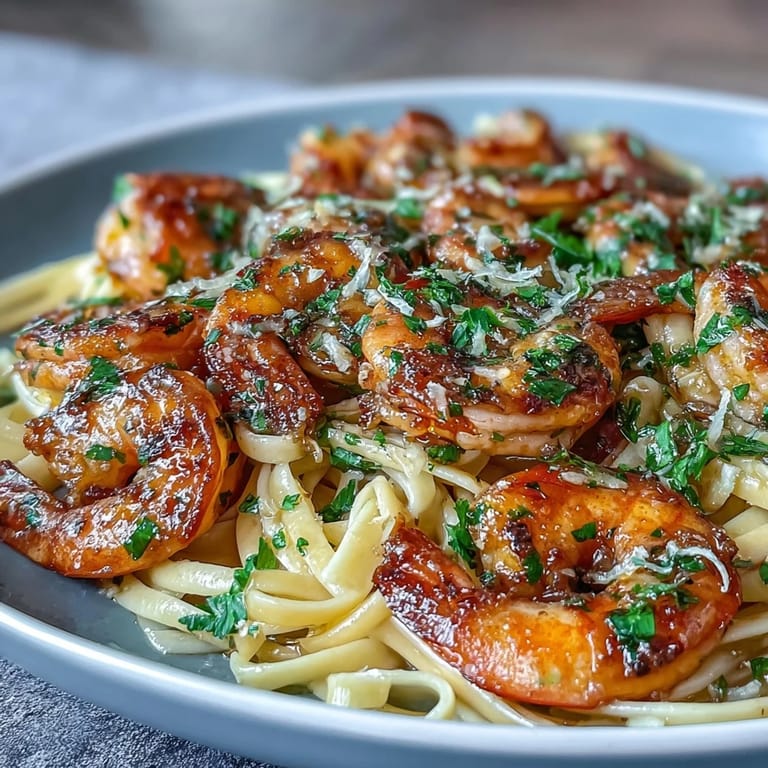
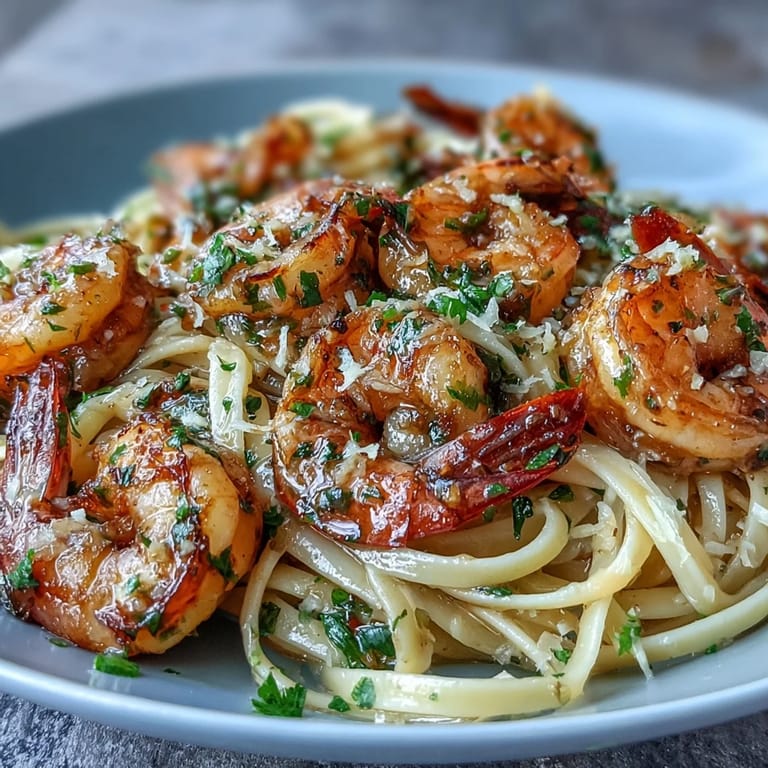
 The skillet was hissing louder than I expected, and I panicked for half a second before realizing that sound meant everything was working. My neighbor had dropped off a bag of fresh shrimp that afternoon, still cold from the market, and I wanted to do them justice. I reached for the wine, the garlic, the butter, and suddenly the kitchen smelled like a coastal Italian town I'd never visited but somehow recognized. That first twirl of linguine around my fork, glossy with sauce and dotted with pink shrimp, made me understand why some dishes don't need to be complicated to feel special.
I made this for my sister the night before she moved across the country, and we ate it straight from the skillet at the kitchen counter. She kept saying it tasted expensive, and I kept laughing because the whole thing cost less than twenty dollars. We didn't talk much, just twirled pasta and sipped wine, and somehow that quiet meal said more than any goodbye speech could have. She still texts me photos whenever she tries to recreate it in her new apartment.
Ingredients
- Large shrimp, peeled and deveined: Look for shrimp that smell like the ocean, not fishy, and pat them completely dry so they sear instead of steam.
- Linguine: The flat shape holds onto sauce better than round spaghetti, and cooking it just until al dente means it finishes perfectly when tossed with the shrimp.
- Unsalted butter: Using unsalted lets you control the seasoning, and adding it in two stages builds a sauce that tastes rich without being greasy.
- Extra-virgin olive oil: Blending it with butter raises the smoke point and adds a fruity depth that butter alone can't provide.
- Garlic, finely minced: Fresh garlic is non-negotiable here, it blooms in the hot oil and perfumes the entire dish within seconds.
- Red pepper flakes: Just a pinch adds a gentle warmth that balances the richness, but you can skip it if you prefer things mild.
- Lemon zest and juice: The zest brings aromatic oils that the juice alone can't, and together they cut through the butter with bright acidity.
- Fresh parsley, chopped: Flat-leaf parsley tastes more vibrant than curly, and adding it at the end keeps the color green and the flavor lively.
- Dry white wine: A crisp Pinot Grigio or Sauvignon Blanc works beautifully, just use something you'd actually drink.
- Salt and freshly ground black pepper: Season the shrimp before cooking and taste the sauce at the end, pasta water will add salt too.
Tired of Takeout? 🥡
Get 10 meals you can make faster than delivery arrives. Seriously.
One email. No spam. Unsubscribe anytime.
Instructions
- Boil the linguine:
- Bring a large pot of generously salted water to a rolling boil, then cook the linguine until it still has a slight bite in the center. Before draining, scoop out half a cup of the starchy pasta water, it will help the sauce cling later.
- Prep the shrimp:
- Pat the shrimp completely dry with paper towels, then season them lightly with salt and pepper on both sides. Wet shrimp won't brown, and that golden edge is where the flavor hides.
- Sauté the garlic:
- Melt half the butter with half the olive oil in a large skillet over medium heat, then add the minced garlic and red pepper flakes. Stir constantly for about a minute until the garlic smells toasty but hasn't turned brown, burnt garlic tastes bitter.
- Cook the shrimp:
- Arrange the shrimp in a single layer across the skillet and let them cook undisturbed for a minute or two until the underside turns pink. Flip each one and cook just until opaque, then transfer them to a plate so they don't overcook.
- Build the sauce:
- Pour the white wine and lemon juice into the hot skillet, scraping up any caramelized bits stuck to the bottom. Let the liquid simmer and reduce for two to three minutes until it smells slightly sweet and concentrated.
- Finish with butter:
- Stir in the remaining butter and olive oil, swirling the pan until everything melts into a glossy emulsion. This is when the sauce transforms from thin to silky.
- Reunite shrimp and sauce:
- Return the cooked shrimp and any juices from the plate back into the skillet, then toss in the lemon zest and half the chopped parsley. Stir gently so every shrimp gets coated.
- Toss with pasta:
- Add the drained linguine directly into the skillet and toss everything together with tongs, adding splashes of reserved pasta water until the sauce coats each strand without pooling. Taste and adjust the salt and pepper now.
- Serve immediately:
- Divide the pasta among warm bowls, scatter the remaining parsley on top, and tuck a lemon wedge on the side. This dish is best eaten the moment it leaves the stove.
 Save Pin
 The first time I nailed this recipe, I stood at the stove with a glass of wine in one hand and tongs in the other, and I realized I wasn't stressed. The whole thing felt like a conversation between the ingredients, each one adding something without shouting over the others. My husband walked in, saw the plate, and asked if we were celebrating something, and I said no, just a Tuesday. That's when shrimp scampi became our favorite kind of dinner, the kind that doesn't need an occasion.
Choosing Your Shrimp
Fresh shrimp are ideal, but frozen shrimp work just as well if you thaw them properly in the fridge overnight or under cold running water. Look for shrimp labeled wild-caught if possible, and avoid any that smell like ammonia or have black spots. I've had the best luck with shrimp in the sixteen to twenty count per pound range, they're big enough to stay juicy but not so large that they dominate the pasta. If you can only find shell-on shrimp, peeling them yourself takes a few extra minutes but often means fresher flavor.
Wine in the Sauce
The wine you choose matters more than you'd think, because it reduces and concentrates into the backbone of the sauce. I always reach for a dry white like Pinot Grigio or Sauvignon Blanc, something crisp and unoaked that won't turn sweet or heavy when it simmers. You don't need an expensive bottle, but use something you'd actually enjoy drinking with dinner. I learned the hard way that cooking wine from the grocery store tastes flat and salty, and it made the whole dish taste like a mistake.
Making It Your Own
Once you've made this a few times, it becomes a template for whatever sounds good that night. I've stirred in halved cherry tomatoes with the garlic for a burst of sweetness, or tossed in a handful of baby spinach at the end so it wilts into the pasta. Sometimes I swap the linguine for fettuccine or even spaghetti, and it still works. A friend of mine adds a spoonful of capers for a briny kick, and another swears by a pinch of saffron for something fancier.
- Try adding sun-dried tomatoes or artichoke hearts for a Mediterranean twist.
- Swap parsley for fresh basil or a mix of both for a different herbal note.
- For a creamier version, stir in a few tablespoons of heavy cream or mascarpone just before tossing with the pasta.
 Save Pin
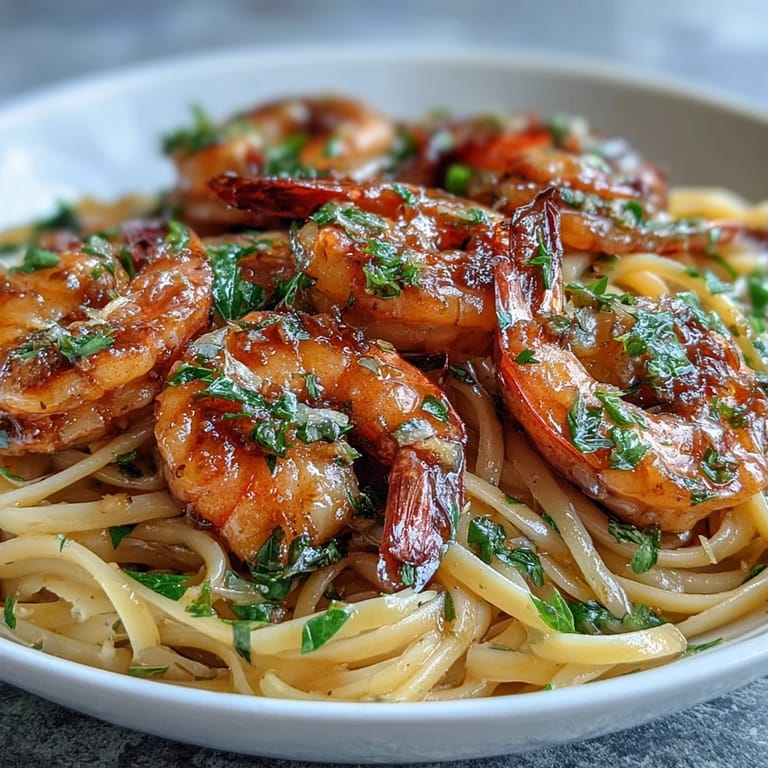
 This is the kind of recipe that makes you look like you know what you're doing, even if you're winging it. Serve it with good bread for soaking up the sauce, pour another glass of that white wine, and let the meal feel as easy as it actually was.
Cooking Questions & Answers
- → Can I use frozen shrimp for this dish?
Yes, frozen shrimp works well. Thaw completely in the refrigerator overnight or under cold running water, then pat thoroughly dry before cooking to ensure proper searing.
- → What type of white wine should I use?
Choose a dry white wine you'd enjoy drinking, such as Pinot Grigio, Sauvignon Blanc, or Chardonnay. Avoid sweet wines as they'll alter the sauce's balance.
- → How do I prevent the garlic from burning?
Keep the heat at medium and sauté the garlic for only about 1 minute until fragrant. Add the shrimp immediately afterward to prevent browning or burning.
- → Can I make this ahead of time?
This dish is best served immediately for optimal texture. However, you can prep ingredients in advance—peel shrimp, mince garlic, and chop parsley—then cook just before serving.
- → What pasta can I substitute for linguine?
Spaghetti, fettuccine, or angel hair pasta work beautifully. For a gluten-free option, use your preferred gluten-free pasta and cook according to package directions.
- → How do I know when the shrimp are perfectly cooked?
Shrimp are done when they turn opaque and pink with a slight curl, typically 1-2 minutes per side. Avoid overcooking as they'll become rubbery.