 Save Pin
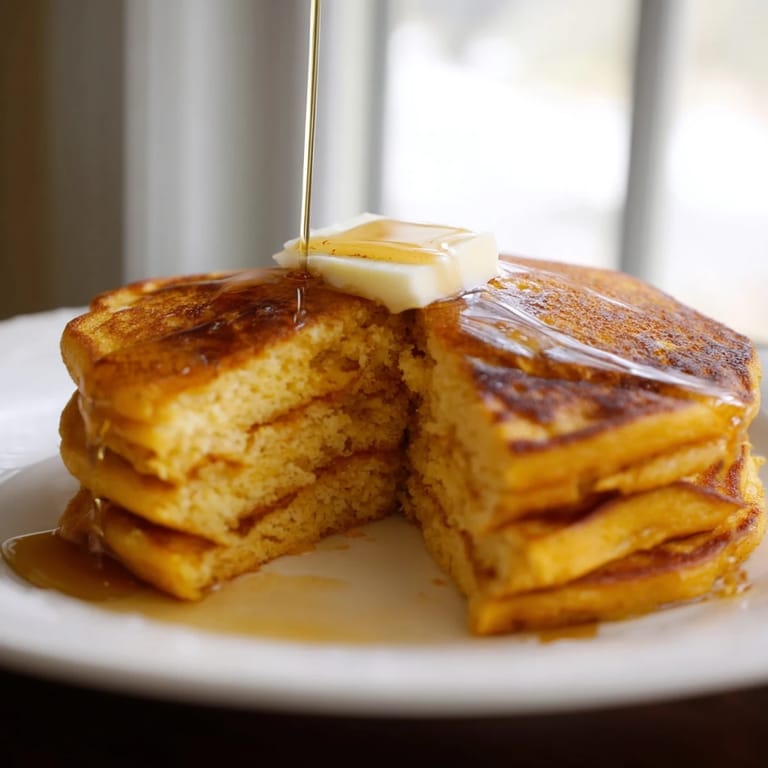
 One October morning, my kitchen smelled like a pumpkin patch had somehow relocated to my stove, and I realized I'd been making pancakes all wrong for years. A friend had dropped off a container of homemade pumpkin puree, and instead of turning it into soup or pie, I wondered what would happen if I swirled that autumn gold into my pancake batter. The result was so much better than I expected—fluffy, spiced, and somehow both comforting and light. Now whenever fall arrives, these are the first thing I crave.
I made these for a group of friends who showed up unexpectedly on a crisp Saturday morning, and watching them devour three stacks each told me everything I needed to know about whether this recipe was worth keeping. One friend asked if the spice blend was store-bought pumpkin pie seasoning, and I got to explain how I'd mixed each spice separately, which somehow made it feel more intentional. That breakfast turned into a two-hour conversation around my kitchen counter, and I've made these pancakes every time they visit since.
Ingredients
- All-purpose flour (1 1/4 cups): This is your structure, the thing that keeps these pancakes from being pumpkin soup on a plate, so measure it gently and don't pack it down.
- Brown sugar (2 tbsp): It adds just enough sweetness and a subtle molasses depth that white sugar would miss.
- Baking powder and baking soda (2 tsp and 1/2 tsp): These two work together to give you that ethereal fluffiness, and measuring them accurately actually matters here.
- Salt (1/2 tsp): Don't skip this—it makes the spices sing and balances the sweetness in ways you won't notice until it's gone.
- Warm spices—cinnamon, ginger, nutmeg, and cloves (1 tsp, 1/2 tsp, 1/4 tsp, and 1/8 tsp): These are the soul of the recipe, so buy them fresh if you can and store them in a cool, dark place because old spices taste like cardboard.
- Pumpkin puree (3/4 cup): Make sure it's pure pumpkin, not pumpkin pie filling, which already has sugar and spices mixed in and will throw off your entire balance.
- Whole milk (1 cup): It creates richness in the batter, though dairy-free milk works just fine if that's what you need.
- Eggs (2 large): These bind everything and contribute to that tender crumb, so use room-temperature eggs if you can.
- Melted butter (2 tbsp plus more for cooking): The melted butter keeps the batter tender, while the extra butter for the skillet prevents sticking and adds a golden crust.
- Vanilla extract (1 tsp): A small amount that rounds out all the warm spices and prevents the flavor from feeling one-dimensional.
Tired of Takeout? 🥡
Get 10 meals you can make faster than delivery arrives. Seriously.
One email. No spam. Unsubscribe anytime.
Instructions
- Combine your dry team:
- Grab a large bowl and whisk together the flour, brown sugar, baking powder, baking soda, salt, cinnamon, ginger, nutmeg, and cloves until everything is evenly distributed. This whisking step is sneaky important because it distributes the leavening agents throughout the flour so your pancakes rise evenly instead of having dense spots.
- Mix the wet ingredients separately:
- In another bowl, whisk the pumpkin puree, milk, eggs, melted butter, and vanilla until the mixture is smooth and unified. You want this part to look homogeneous and creamy before you combine it with the dry ingredients.
- Gently bring them together:
- Pour the wet ingredients into the dry bowl and stir with a whisk or wooden spoon just until combined—we're talking maybe ten to fifteen seconds of stirring. Overmixing develops gluten, which makes pancakes dense and tough, so those small lumps you see are actually your friends.
- Heat your cooking surface:
- Preheat a nonstick skillet or griddle over medium heat and lightly butter it once it's hot. The butter should sizzle gently when it hits the pan, which tells you the temperature is right.
- Cook the first side:
- Pour about 1/4 cup of batter onto the skillet for each pancake and let it cook undisturbed for about two to three minutes until you see bubbles forming across the surface and the edges look set and slightly darker. This is the signal that the bottom is cooked and it's strong enough to flip without falling apart.
- Flip and finish:
- Using a spatula, flip each pancake gently and cook the other side for one to two minutes until it's golden brown and feels firm when you press it lightly. Don't press down on the pancakes with your spatula—that squeezes out all the air and flattens them.
- Keep them warm while you finish:
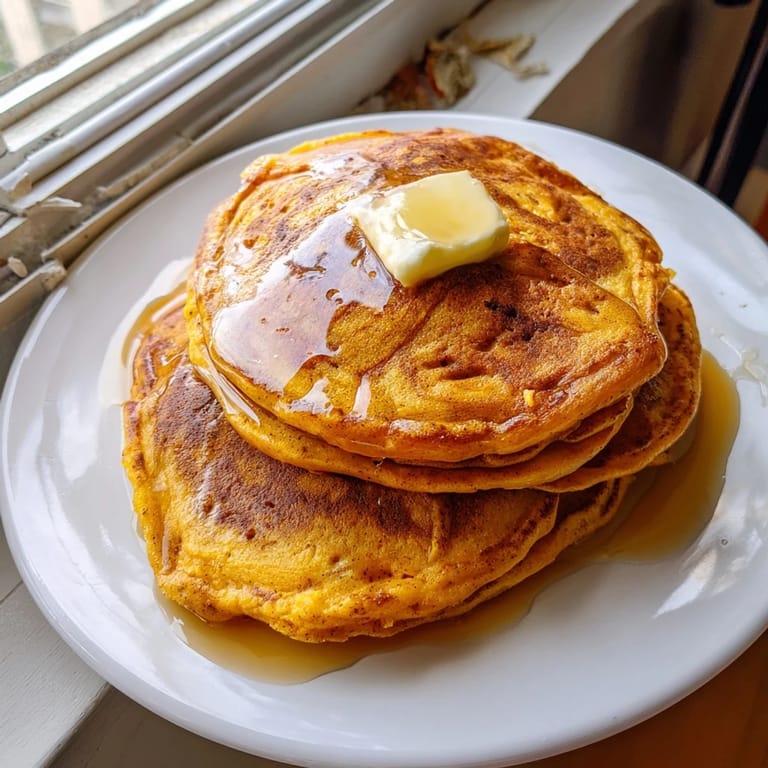
- If you're making a big batch, transfer finished pancakes to a warm plate or a low oven (around 200°F) to keep them warm while you cook the remaining batter. Serve them warm with whatever toppings call to you.
 Save Pin
 There's something almost magical about watching someone's face light up when they taste these pancakes and realize that pumpkin spice doesn't have to mean overly sweetened coffee drinks or artificial flavoring. I've converted more than a few skeptics this way, people who thought they were tired of autumn flavors suddenly deciding they weren't tired of them at all.
Why Fresh Spices Make All the Difference
The spices are what transform these from plain pumpkin pancakes into something that tastes like October wrapped up in breakfast form. If your cinnamon or cloves have been sitting in your cabinet for more than a year, they've lost most of their volatile oils and the pancakes will taste flat and one-dimensional. I started buying spices in smaller quantities and storing them in airtight containers away from light and heat, and the flavor difference was noticeable immediately. It's one of those small kitchen changes that costs almost nothing but changes everything.
Making Them Ahead and Freezing
One of my favorite discoveries is that these pancakes freeze remarkably well, which means you can make a double or triple batch on a weekend and have warm pancakes ready on chaotic weekday mornings. Just let them cool completely on a wire rack, then layer them between parchment paper in a freezer-safe container and they'll keep for about two weeks. Reheat them in a toaster or low oven rather than the microwave, which can make them a bit rubbery.
Variations and Optional Additions
Once you've nailed the basic recipe, the fun part is playing with additions and substitutions that feel right to you. I've made versions with toasted pecans stirred into the batter, some with chocolate chips for the people in my life who think autumn is incomplete without chocolate, and others with a touch of bourbon or maple extract for grown-up brunch situations. The base recipe is flexible enough to handle these experiments while still tasting like itself, and that's when you know you've found something worth making over and over.
- Dairy-free versions work beautifully with almond or oat milk and coconut oil instead of butter.
- Chocolate chips, toasted walnuts, or dried cranberries stirred into the batter add texture and interest without overwhelming the spice flavors.
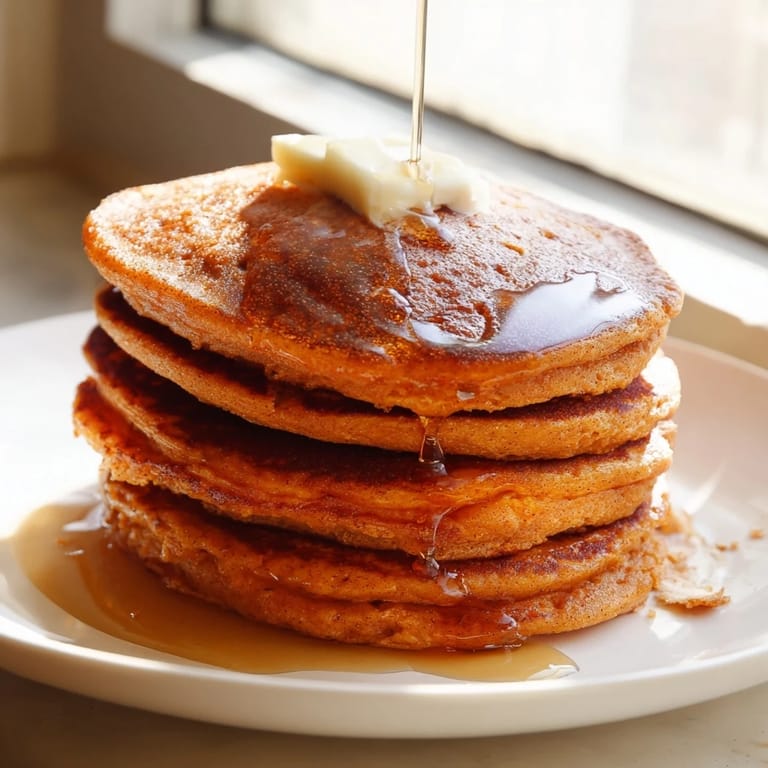
- A drizzle of honey, a dusting of powdered sugar, or a dollop of whipped cream all work perfectly as toppings depending on your mood.
 Save Pin
 These pancakes have become my autumn answer to the question of what's for breakfast, and they somehow taste even better when shared with people who understand that good food is just an excuse to linger at the table a little longer. I hope they bring that same kind of warmth to your kitchen that they've brought to mine.
Cooking Questions & Answers
- → Can I make these pancakes ahead of time?
Yes, you can prepare the dry and wet ingredient mixtures separately the night before. Store them in airtight containers in the refrigerator. Combine them in the morning and cook as directed. The pancakes also freeze well after cooking; reheat in a toaster or oven.
- → How do I prevent overmixing the batter?
Mix the wet and dry ingredients just until combined. A few lumps in the batter are perfectly normal and actually help create fluffier pancakes. Overmixing develops too much gluten, resulting in dense, tough pancakes.
- → What dairy-free substitutes work best?
Replace milk with almond or oat milk in equal amounts, and swap butter for coconut oil or vegan butter. These substitutions maintain the same moisture and structure without affecting the spice flavors.
- → How can I add more flavor to the batter?
Fold in chocolate chips, toasted pecans, or walnuts before cooking. You can also increase the vanilla extract to 2 teaspoons or add 1/2 teaspoon of maple extract for deeper autumn flavor.
- → What's the best way to keep pancakes warm while cooking?
Place finished pancakes on a baking sheet in a 200°F (95°C) oven while you finish cooking the remaining batches. This keeps them warm without drying them out, allowing everyone to eat together.
- → Can I use canned pumpkin puree instead of fresh?
Absolutely. Canned pumpkin puree works perfectly and is actually more convenient. Make sure to use pure pumpkin puree, not pumpkin pie filling, which contains added sugars and spices.