 Save Pin
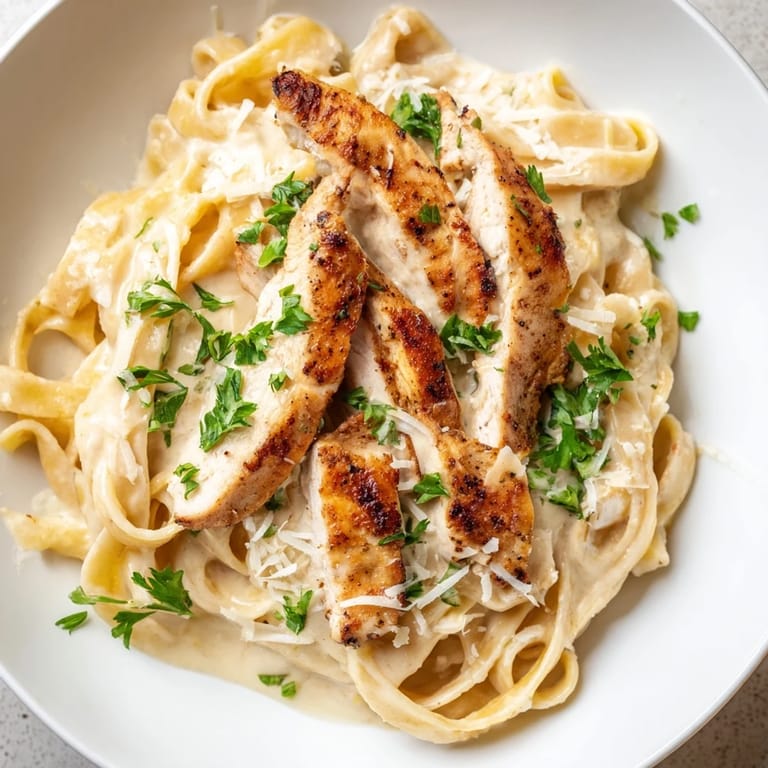
 My neighbor knocked on my door one Tuesday night holding a pot of something that smelled like a Louisiana kitchen had collided with an Italian trattoria. She'd accidentally made too much Cajun Chicken Alfredo and thought I might want some. One bite and I was pawing through her recipe box the next morning. The way that spicy, paprika-rubbed chicken melted into that silky Parmesan cream changed how I thought about weeknight cooking forever.
I made this for my brother during a snowstorm when we were both stuck at my apartment with nothing but pantry staples and one very optimistic chicken breast. He usually hates anything creamy, but he went back for thirds and texted me the next week asking for the recipe. That night we ate it straight from the skillet with mismatched forks, laughing about how something this good came from boredom and a power outage.
Ingredients
- Boneless, skinless chicken breasts: I like to slice them in half horizontally so they cook faster and get more surface area for that Cajun crust to develop.
- Cajun seasoning: The smokiness and heat are the backbone of this dish, so use a blend you trust or make your own with paprika, garlic powder, cayenne, and thyme.
- Olive oil: Just enough to get a good sear without making the chicken greasy, and it leaves tasty brown bits in the pan for the sauce.
- Fettuccine or linguine: Wide noodles hold onto that thick Alfredo beautifully, but I've used penne in a pinch and it still worked.
- Unsalted butter: Gives the sauce a velvety base and lets you control the salt level, especially since Parmesan can be salty on its own.
- Garlic: Fresh minced garlic blooms in the butter and perfumes the whole sauce, do not skip this or use the jarred stuff.
- Heavy cream: This is what makes Alfredo sauce actually Alfredo, it thickens as it simmers and clings to every strand of pasta.
- Freshly grated Parmesan cheese: The real stuff melts smoothly and tastes nutty and sharp, pre-grated just does not melt the same way.
- Black pepper and salt: Simple seasonings that let the cream and cheese shine without competing with the Cajun spice.
- Red pepper flakes: Optional but I always add them because I like the little bursts of heat scattered throughout the sauce.
- Fresh parsley: A handful of green at the end makes it look restaurant pretty and adds a tiny fresh note to cut through the richness.
Tired of Takeout? 🥡
Get 10 meals you can make faster than delivery arrives. Seriously.
One email. No spam. Unsubscribe anytime.
Instructions
- Cook the pasta:
- Boil a big pot of salted water and drop in your fettuccine, stirring once so it does not clump. When it is just al dente with a slight bite, scoop out half a cup of that starchy pasta water before you drain it, you will need it later to loosen the sauce.
- Prepare the chicken:
- Pat the chicken breasts completely dry with paper towels, then rub the Cajun seasoning all over every surface. Let them sit for a minute while the skillet heats up so the spices stick better.
- Sear the chicken:
- Heat olive oil in a large skillet over medium high until it shimmers, then lay the chicken in gently. Let it cook undisturbed for 5 to 6 minutes per side until you get a dark golden crust and the internal temperature hits 165 degrees F, then pull it out to rest before slicing.
- Make the Alfredo sauce:
- In the same skillet, melt butter over medium heat and toss in the minced garlic, stirring constantly for about 30 seconds until it smells amazing but has not browned. Pour in the heavy cream and whisk gently, bringing it to a simmer without letting it boil or it might break.
- Thicken and season:
- Stir in the Parmesan cheese, black pepper, salt, and red pepper flakes if you are using them, and let it all simmer together for 2 to 3 minutes. If the sauce gets too thick, whisk in a tablespoon of reserved pasta water at a time until it coats the back of a spoon.
- Combine everything:
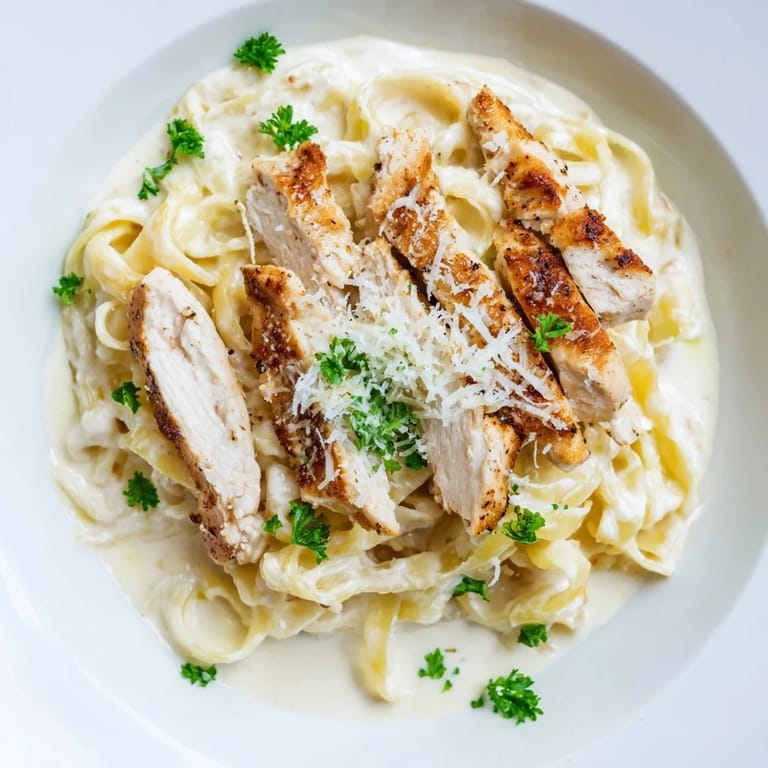
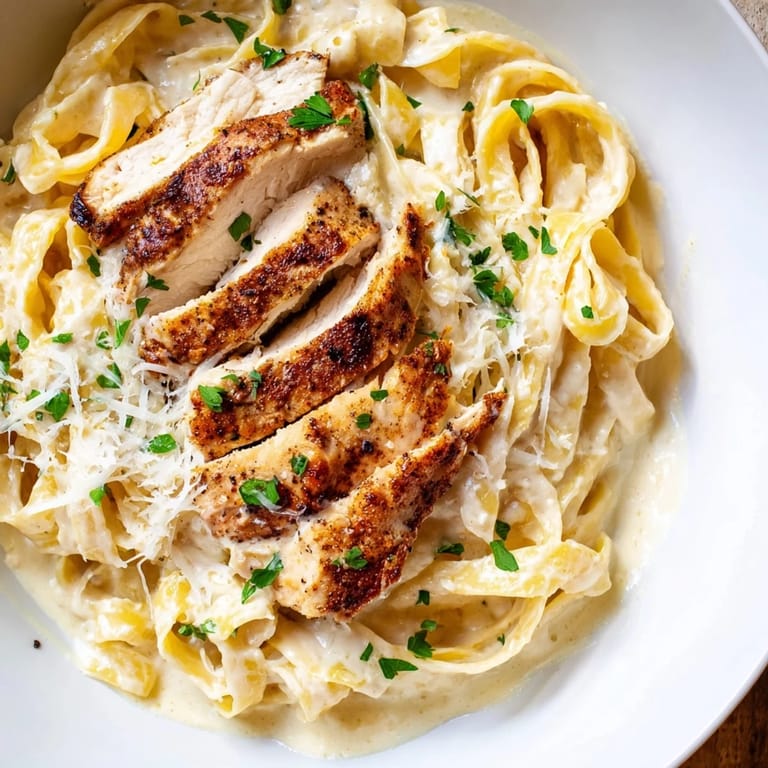
- Add the drained pasta to the skillet and toss it around with tongs until every piece is glossy and coated. Lay the sliced Cajun chicken on top and give it one more gentle toss so the spices swirl into the sauce.
- Serve:
- Plate it up immediately while it is still steaming, then scatter fresh parsley and extra Parmesan over the top. Serve with a fork and maybe a napkin because this gets messy in the best way.
 Save Pin
 Last spring I brought this to a potluck and watched a friend who claimed she did not like spicy food go back three times. She finally admitted that the creaminess made the heat feel friendly instead of aggressive. We stood in the kitchen talking about how food can surprise you when you stop deciding what you like before you taste it. That conversation stuck with me longer than the compliments about the recipe.
Customizing Your Cajun Alfredo
This dish is forgiving and loves company. I have tossed in sauteed bell peppers and onions when I had them sitting in the cridge, and the sweetness played beautifully against the spice. Spinach wilts right into the hot sauce and adds color without changing the flavor much. If you want to swap the chicken for shrimp, just cook them for 2 to 3 minutes per side until pink and opaque, then pull them out before making the sauce. I have even made this with crispy tofu for a vegetarian friend and it worked better than I expected.
Storing and Reheating
Leftovers keep in an airtight container in the fridge for up to three days, though the pasta soaks up some sauce as it sits. When reheating, add a splash of cream or milk and warm it gently in a skillet over low heat, stirring often so the sauce does not split. I have found that microwaving works in a pinch if you cover it and stop to stir every 30 seconds. The Cajun chicken actually deepens in flavor overnight, so sometimes I make extra on purpose.
Pairing and Serving Ideas
A crisp white wine like Sauvignon Blanc or a cold lager cuts through the richness and cools down the spice without washing out the flavors. I like to serve this with a simple arugula salad dressed in lemon and olive oil, or garlic bread if I am feeling indulgent. If you are feeding a crowd, double the recipe and keep it warm in a low oven, just stir it every 10 minutes so the sauce does not stick.
- Toss in halved cherry tomatoes right before serving for a juicy pop of acidity.
- Finish with a squeeze of fresh lemon juice to brighten the whole dish.
- Sprinkle extra Cajun seasoning on top if you want more heat without making a new batch.
 Save Pin
 This recipe taught me that fusion does not have to be complicated or pretentious, sometimes it is just about letting two good things meet in a pan and seeing what happens. I hope it becomes one of those dishes you make on a random weeknight and end up craving for days.
Cooking Questions & Answers
- → How do I prevent the Alfredo sauce from breaking?
Keep the heat at medium and avoid boiling the cream. Whisk constantly when adding cream to the butter and garlic, and add cheese gradually while stirring. If the sauce separates, remove from heat and whisk in a splash of pasta water to emulsify.
- → Can I make this dish ahead of time?
You can prepare components separately, but the dish is best served immediately after combining. Cook pasta and chicken in advance, then quickly reheat and toss with freshly made sauce. The pasta absorbs sauce as it sits, affecting texture.
- → What if I don't have Cajun seasoning on hand?
Create your own blend using paprika, cayenne pepper, garlic powder, onion powder, dried oregano, dried thyme, salt, and black pepper. Adjust proportions to control heat level and customize the flavor profile to your preference.
- → How can I make this dish lighter?
Substitute half-and-half or Greek yogurt for heavy cream, use less butter, and reduce cheese quantity slightly. You won't achieve the same richness, but the flavors remain intact and the calorie count decreases noticeably.
- → What proteins work well as substitutes for chicken?
Shrimp cooks quickly and complements Cajun spicing beautifully. Grilled or sautéed salmon offers richness, while tofu absorbs the sauce well for a vegetarian option. Adjust cooking times based on your protein choice.
- → Why is my sauce too thick or too thin?
Thick sauce needs reserved pasta water added slowly while stirring. Thin sauce requires gentle simmering to reduce and concentrate. The sauce should coat the back of a spoon when ready and thickens further as it cools slightly.