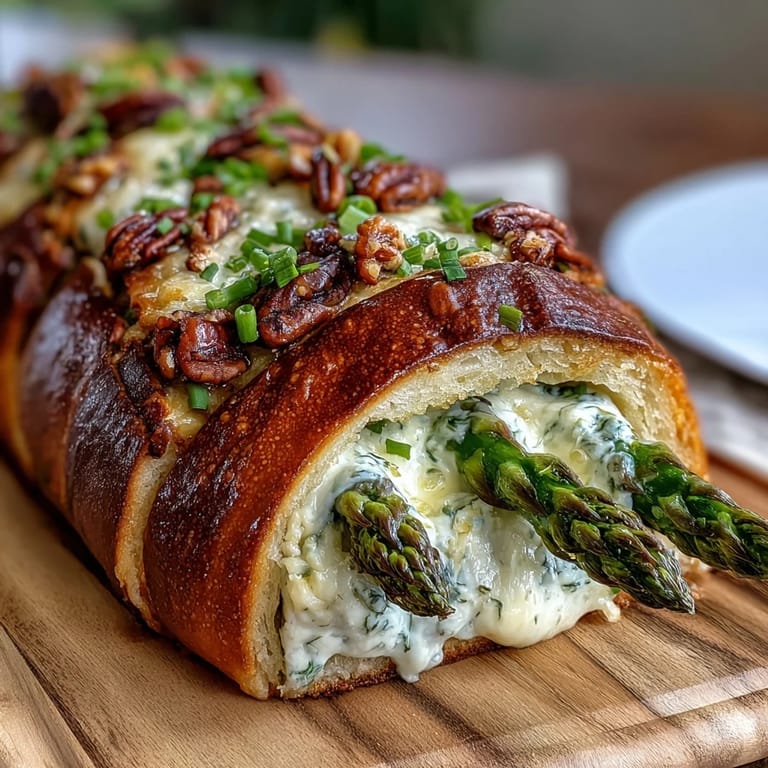
 Save Pin
 There's something about the first warm day of spring that makes you want to cook with green vegetables, and this tart arrived in my kitchen almost by accident—I had a bundle of thin asparagus, some leftover crème fraîche that needed using, and a thawed sheet of puff pastry calling my name. What started as a quick lunch became the kind of dish I now make whenever I want to feel like spring is actually here, crispy pastry and all.
I made this for a small dinner party last April when my friend mentioned she was tired of sad salads for lunch, and watching her face light up when she bit into that first warm slice—pastry shattering, cheese melting into the asparagus—made me realize this wasn't just food, it was proof that simple ingredients actually matter when you treat them right.
Ingredients
- Thin asparagus (about 400 g): Look for spears about the thickness of a pencil—they cook evenly and stay tender, not woody, which is the whole point here.
- Crème fraîche or ricotta (200 g): Crème fraîche stays silky when baked, but ricotta works beautifully too if that's what you have, lending a lighter touch.
- Gruyère or Parmesan cheese (100 g, grated): Gruyère melts into this nutty dreaminess, but Parmesan gives you a sharper bite—choose based on your mood.
- All-butter puff pastry (1 sheet, about 250 g): Buy the good stuff if you can; the flavor difference between all-butter and margarine-based pastry is honestly night and day.
- Fresh chives or dill (2 tbsp, chopped): These herbs brighten everything up—don't skip them or use dried, the freshness is essential.
- Lemon zest (1 tsp): One small zest transforms this from nice to unforgettable, cutting through the richness with a whisper of brightness.
- Egg (1, lightly beaten): This egg wash is what gives you that beautiful golden shine that makes the pastry look professionally done.
- Salt and freshly ground black pepper: Taste as you go—pastry and cheese are both salty, so you might need less than you think.
- Toasted pine nuts and microgreens (optional garnish): These add a final flourish, but honestly the tart stands on its own without them.
Tired of Takeout? 🥡
Get 10 meals you can make faster than delivery arrives. Seriously.
One email. No spam. Unsubscribe anytime.
Instructions
- Get Your Oven and Pastry Ready:
- Preheat to 200°C (400°F) and line a baking tray with parchment paper while you work—this prevents sticking and makes cleanup a dream. Roll out your thawed puff pastry to a rough rectangle about 25 by 35 centimeters, letting it relax naturally if it wants to spring back.
- Score and Prime the Pastry:
- Using a sharp knife, lightly score a border about 2 centimeters from the edge all around—don't cut all the way through, just enough to guide where your toppings go. Prick the center area gently with a fork so the middle doesn't puff up too dramatically and steal the show from your vegetables.
- Build Your Cheese Base:
- In a bowl, mix your crème fraîche with half the grated cheese, fresh herbs, lemon zest, salt, and pepper until it's smooth and fragrant. Spread this mixture evenly inside that scored border, staying roughly 2 centimeters from the edge.
- Arrange the Asparagus:
- Lay your trimmed asparagus spears over the cheese in whatever pattern pleases you—I like alternating them tip to tail for visual interest, but honestly just getting them there is what matters. This is where the tart goes from looking homey to looking like you actually know what you're doing.
- The Final Touches Before Baking:
- Brush that beaten egg along the pastry border with a pastry brush, then scatter the remaining cheese over the asparagus tips. This egg wash is what catches the heat and turns your pastry golden.
- Bake Until Golden:
- Slide it into the oven for 20 to 25 minutes—you're looking for the pastry to puff up and turn golden, and the asparagus to just start softening but still have a tiny bit of resistance when you press it. The kitchen will smell incredible partway through, which is your hint to set a timer so you don't forget it's in there.
- Rest, Garnish, and Serve:
- Let it cool for just a few minutes so the cheese sets slightly, then scatter with toasted pine nuts and microgreens if you're feeling fancy. Slice into squares and serve warm or even at room temperature—it's honestly good either way.
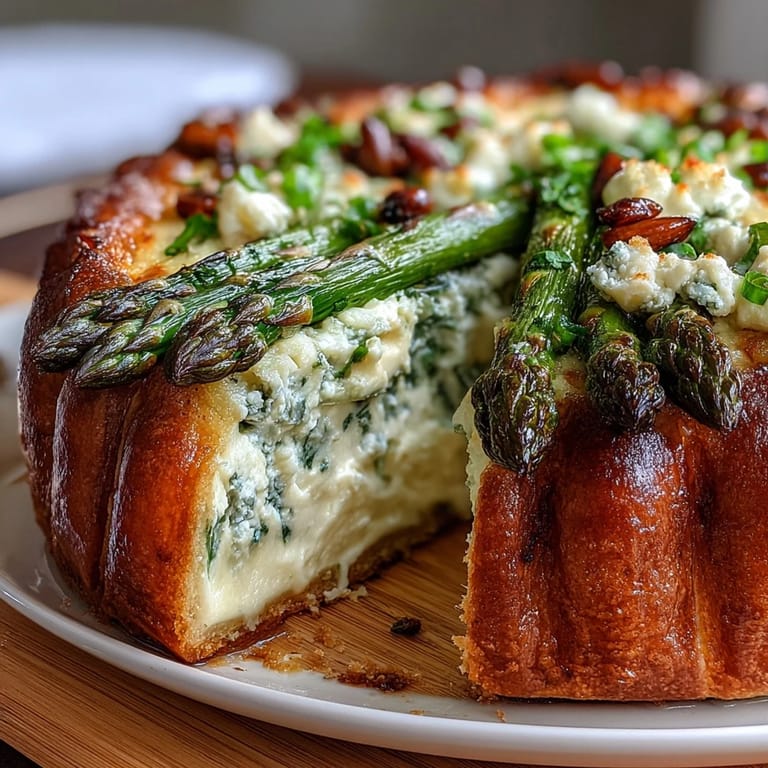 Save Pin
 This tart somehow became the dish I make when I want to feel capable in the kitchen without actually breaking a sweat, and that's a feeling worth repeating every spring.
Why Spring Asparagus Matters
Asparagus is one of those vegetables that tastes completely different depending on when you buy it—early spring asparagus is thin, delicate, and practically melts, while late-season spears get thick and fibrous and honestly need more convincing to be delicious. Shopping at farmers markets in April and May means you're getting the real deal, the stuff that's been in the ground weeks, not months. When you use asparagus at its peak, this tart becomes less about technique and more about letting the ingredient do the talking.
The Pastry is Your Canvas
Puff pastry intimidates people, but honestly it's one of the most forgiving things in the kitchen once you stop thinking of it as temperamental. The thing about scoring that border is it's not really doing anything magical—it's just telling your eye where to look and giving the inner rectangle visual permission to puff differently than the edges. I used to think I had to be surgical about it, and then one day I just lightly dragged a knife around and everything turned out better because I wasn't overthinking it.
Making it Your Own
Once you understand how this tart works—pastry, cheese base, vegetables, egg wash, bake—it becomes a framework for whatever's in your vegetable drawer and whatever cheese you actually have. I've made it with thin green beans when asparagus was finished for the season, added strips of roasted red pepper, tried a mixture of ricotta and goat cheese on a whim and never looked back.
- A thin layer of good mustard spread under the cheese mixture adds surprising depth without being obvious.
- Roasted garlic cloves scattered over the asparagus become jammy and sweet in the oven.
- If you want richness, a few strips of prosciutto under the asparagus transforms this from vegetarian to something that might impress meat-eaters too.
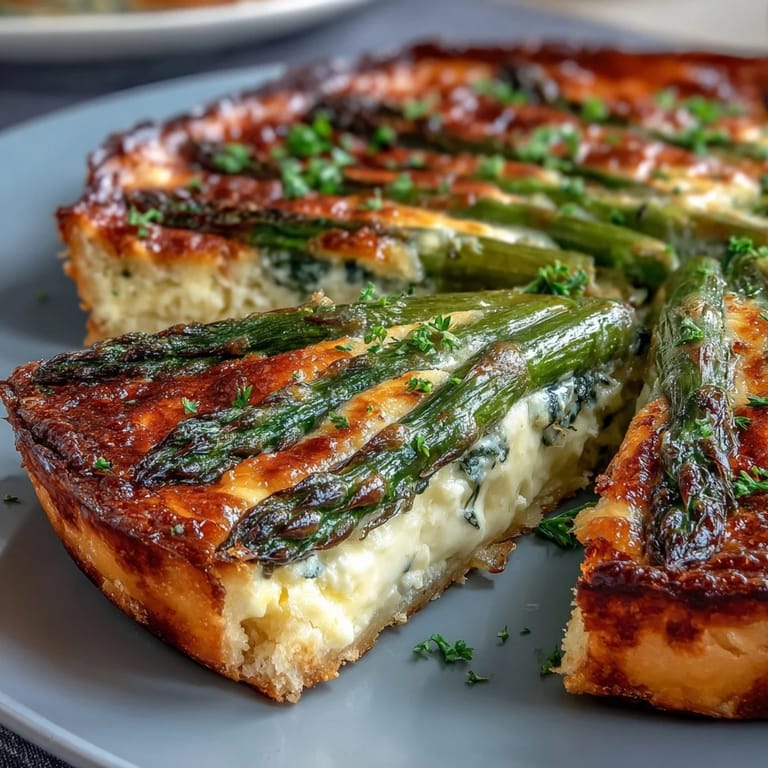 Save Pin
 This is the kind of tart that makes you feel like cooking is actually within reach, which is maybe the most important thing a recipe can do. Serve it with a crisp white wine and let people assume you spent the whole day in the kitchen.
Cooking Questions & Answers
- → How do I prepare the puff pastry for the tart?
Roll out the thawed puff pastry to an even rectangle, then score a border about 2 cm from the edge without cutting through. Prick the center with a fork to prevent puffing.
- → Can I substitute the cheese used in this tart?
Yes, you can use ricotta or crème fraîche for creaminess and choose between Gruyère or Parmesan for the grated cheese, depending on your flavor preference.
- → What herbs work best with the asparagus and cheese filling?
Fresh chives or dill complement the asparagus and cheese well, adding a delicate herbal note without overpowering the dish.
- → What temperature and duration are ideal for baking the tart?
Bake at 200°C (400°F) for 20 to 25 minutes until the pastry is golden and puffed, and the asparagus is tender.
- → Any suggestions for serving this spring asparagus tart?
Serve warm or at room temperature, garnished with toasted pine nuts and microgreens or extra herbs for added texture and freshness.
- → Can this tart be modified for non-vegetarian preferences?
Adding a thin layer of prosciutto beneath the asparagus adds a savory depth, though it removes the vegetarian aspect.