 Save Pin
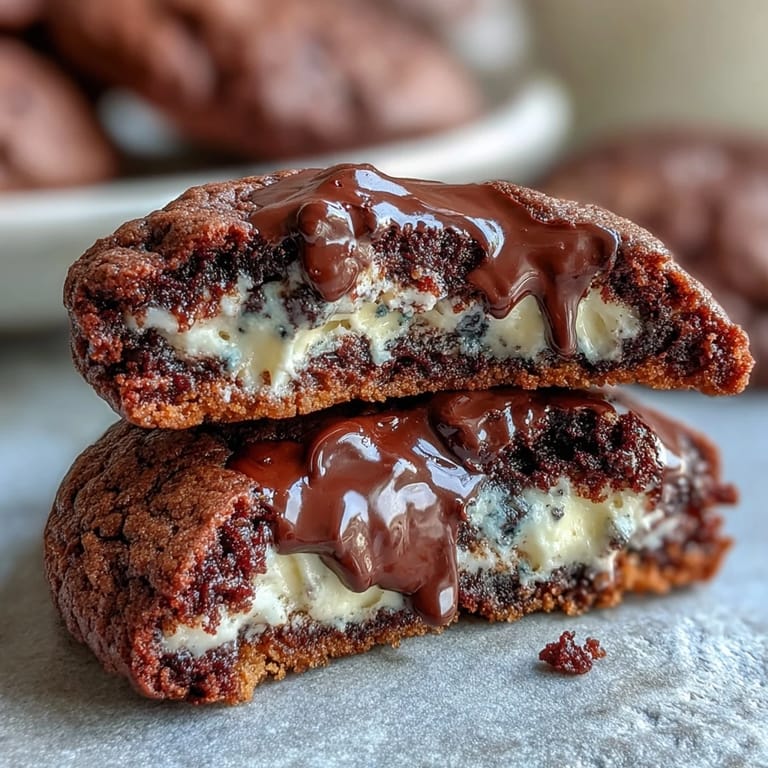
 There's something about dark chocolate that makes you want to slow down, and these cookies demand exactly that kind of attention. I was standing in my kitchen on a rainy afternoon, thinking about the Shadow Milk Cookie and how it manages to be both mysterious and comforting at the same time, when I realized I wanted to recreate that feeling with something I could actually bake at home. The result was these chewy, deeply chocolatey cookies that somehow taste indulgent without being overwhelming, with just enough vanilla and a whisper of white chocolate to keep things interesting.
I made these for a friend who'd been having a rough week, and watching her face when she bit into one and got that initial hit of dark chocolate followed by the subtle vanilla was worth every minute of prep work. She asked for the recipe before she'd even finished the first cookie, which tells you something about how they land with people.
Ingredients
- All-purpose flour (1 3/4 cups): This is your base, and measuring it correctly makes the difference between cookies that spread too much and ones that hold their shape beautifully.
- Dutch-process cocoa powder (1/2 cup): Don't skip the Dutch-process version if you can find it—it's darker and richer than natural cocoa, which is exactly what you want here.
- Baking soda (1 tsp): This is your leavening agent and also helps the dark color deepen in the oven, so measure it carefully.
- Fine sea salt (1/2 tsp): Salt amplifies chocolate flavor in ways that feel almost magical, so use the good stuff.
- Unsalted butter (3/4 cup), softened: Room temperature butter creams better with sugar, creating that light, fluffy base that makes these cookies chew rather than crumble.
- Dark brown sugar (1 cup, packed): Pack it down gently when measuring—the molasses content gives these cookies their fudgy texture.
- Granulated sugar (1/2 cup): This works with the brown sugar to control moisture and add a bit of structure.
- Large eggs (2), room temperature: Cold eggs won't incorporate properly and you'll end up with a grainier dough, so let them sit out for 15 minutes beforehand.
- Pure vanilla extract (2 tsp): This is one of the places you really notice the difference between quality and mediocre—use real vanilla if you possibly can.
- Almond extract (1/2 tsp, optional): This adds a subtle depth that makes people ask what the secret ingredient is, but skip it if you're not comfortable with it.
- Dark chocolate chunks (1 1/4 cups, 70% cocoa): The percentage matters here—70% gives you that sophisticated bittersweet flavor without being harsh.
- Whole milk (1/2 cup): This creates a tender crumb and keeps the cookies from drying out, plus it ties into the inspiration beautifully.
- White chocolate chips (1/2 cup): These add sweetness and create little pockets of creaminess that balance the dark chocolate perfectly.
Tired of Takeout? 🥡
Get 10 meals you can make faster than delivery arrives. Seriously.
One email. No spam. Unsubscribe anytime.
Instructions
- Get Your Setup Ready:
- Preheat your oven to 350°F and line two baking sheets with parchment paper—this prevents sticking and gives you even browning on the bottom. You want everything ready before you start mixing because dough waits for no one.
- Mix Your Dry Ingredients:
- In a medium bowl, whisk together the flour, cocoa powder, baking soda, and salt until everything is evenly distributed and there are no cocoa lumps hiding at the bottom. Set this aside and take a breath—you're building layers of flavor here.
- Cream Your Butter and Sugars:
- In a large bowl, beat the softened butter with both sugars for about 2 to 3 minutes until the mixture is light, fluffy, and noticeably paler than when you started. This step is non-negotiable because you're incorporating air that will make your cookies chewy instead of dense.
- Add Your Eggs and Extracts:
- Add the eggs one at a time, beating well after each addition so they're fully incorporated before you add the next one. Then mix in both the vanilla and almond extract until everything is smooth and uniform.
- Alternate Wet and Dry:
- On low speed, alternate adding the dry ingredients and milk in two additions each, starting and ending with the dry mixture—this prevents overmixing, which is the enemy of tender cookies. Mix just until you don't see streaks of flour anymore; stop as soon as everything is combined.
- Fold in the Chocolate:
- Gently fold in the dark chocolate chunks and white chocolate chips with a spatula using a few deliberate strokes rather than aggressive mixing. You want to keep the dough light and airy, not compress everything together.
- Scoop and Space:
- Using a cookie scoop or two tablespoons, portion the dough onto your prepared baking sheets, leaving about 2 inches between each cookie because they will spread. If you're feeling fancy, this is where you could sprinkle a tiny pinch of flaky sea salt on top of each one.
- Bake to Perfection:
- Bake for 11 to 13 minutes—the edges should look set and the tops slightly puffy, but the centers should still look a bit soft and underbaked. They'll continue cooking on the pan after you remove them, so resist the urge to bake them until they look fully done.
- Cool Strategically:
- Leave the cookies on the baking sheet for 5 minutes to set up, then transfer them to a wire rack to cool completely. This two-stage cooling prevents them from breaking apart while still allowing steam to escape so they develop that perfect chewy texture.
 Save Pin
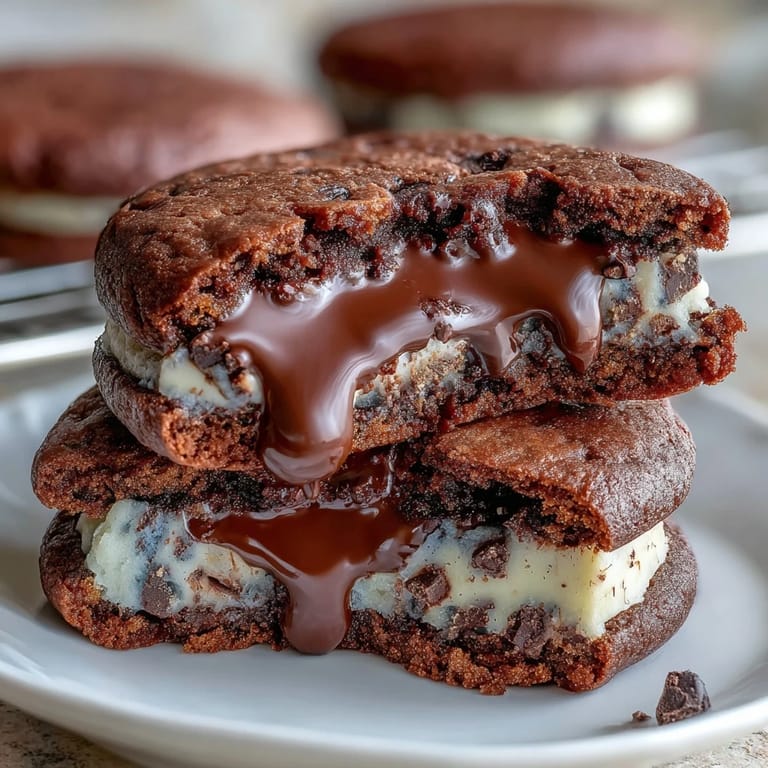
 There's a quiet joy in pulling a tray of cookies from the oven and knowing you've made something that hits that exact intersection of indulgent and comforting. These cookies somehow manage to be elegant enough for a dessert board at dinner but casual enough to eat while sitting on the kitchen counter in your regular clothes.
The Science of Chewy Cookies
The secret to these cookies' texture lies in the ratio of brown sugar to granulated sugar and the addition of milk to the dough. Brown sugar contains molasses, which adds moisture and promotes chewiness, while the milk creates steam in the oven that keeps everything tender. When you combine these elements with slightly underbaking, you get cookies that are soft and yielding rather than crisp or cakey—exactly what you're after with chocolate cookies.
Why Two Types of Chocolate Matter
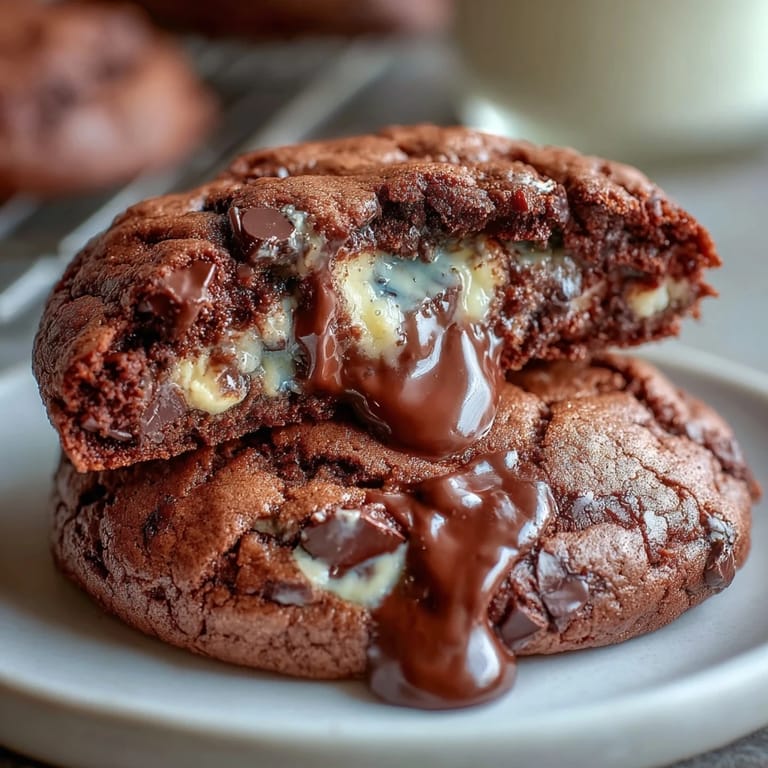
Using both dark and white chocolate isn't just about looking fancy, though the contrast is lovely to look at. The dark chocolate provides that sophisticated, slightly bitter note that makes people think these are more complicated than they actually are, while the white chocolate adds sweetness and creaminess that plays off the cocoa powder beautifully. Together they create a more nuanced flavor than you'd get with either one alone, and the variety of textures keeps each bite interesting.
Storage and Serving Ideas
These cookies keep well in an airtight container for about 4 days, though they rarely last that long in any kitchen I know. If they start to harden, you can revive them slightly by storing them with a slice of bread, which will transfer some moisture back to the cookies.
- Pair them with dark roast coffee or cold milk for the full flavor experience, as the bitterness of one complements the sweetness of the other.
- For extra decadence, dust them with a pinch of flaky sea salt right before baking to add a sophisticated edge.
- You can make these dairy-free by using plant-based milk and vegan chocolate while keeping everything else exactly the same.
 Save Pin
 These cookies are proof that the best recipes aren't always the most complicated ones—sometimes they're just about using good ingredients thoughtfully and letting them speak for themselves. Bake these for someone who needs a little moment of joy, or just for yourself when an ordinary Tuesday needs something to make it feel a bit more special.
Cooking Questions & Answers
- → What gives these cookies their rich chocolate flavor?
Using Dutch-process cocoa powder combined with 70% dark chocolate chunks provides a deep, intense chocolate taste.
- → How does the vanilla influence the texture and taste?
Pure vanilla extract adds a sweet aromatic note that complements the dark chocolate and enriches the cookie's flavor profile.
- → Can I substitute the butter with a dairy-free alternative?
Yes, plant-based butter can be used to make a dairy-free version while maintaining the creamy texture of the dough.
- → What is the purpose of adding white chocolate chips?
White chocolate chips create a vanilla milk swirl effect, adding sweetness and contrast to the dark chocolate chunks.
- → Why should flaky sea salt be sprinkled before baking?
Sea salt enhances the bittersweet chocolate flavors by adding a subtle salty contrast, balancing the overall taste.