 Save Pin
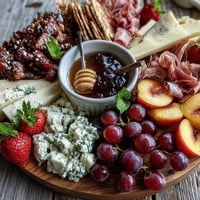
 The first time I assembled The Midnight Orchard, it was purely by accident. I'd pulled together whatever fruit looked luminous at the market—those jewel-toned cherries, plums with skin like deep velvet—and found myself standing in front of a wedge of black-ashed goat cheese at the last minute. Something about the contrast stopped me cold. Dark against cream, sharp against sweet, the kind of pairing that makes you pause mid-bite. What started as a practical platter became the thing I kept reaching for on late evenings when I wanted something that felt like art but tasted effortless.
I made this for someone once who said they didn't really eat fruit. By the end of the evening, she'd worked her way through half the platter while we talked, without even noticing. That's when I realized this wasn't really about the ingredients—it was about giving people permission to eat with their hands, to taste things without performance, to let the evening slow down just a little.
Ingredients
- Dark cherries: Look for ones so dark they're almost black; they'll have more depth than the bright red ones, and when you pit them, the juice stains your fingers like evidence of something delicious.
- Ripe plums: They should give slightly to pressure but not feel mushy; cut them just before serving so they stay firm enough to hold their shape but tender enough to taste like stone fruit should.
- Purple grapes: These have a subtle earthiness that plays beautifully against the sharpness of the cheese; halving them makes them easier to eat and shows off their interior color.
- Black-ashed goat cheese: The ash isn't just decoration—it darkens the cheese slightly and hints at a mineral, almost metallic complexity that anchors the whole platter.
- Toasted walnuts: Toast them yourself if you can; they add a necessary bitter note and a crunch that keeps every bite interesting.
- Honey: A light drizzle brings a whisper of floral sweetness without overwhelming anything; use it sparingly.
- Fresh thyme: The small leaves scatter naturally and add a green, peppery undertone that you might not consciously taste but will definitely feel.
Tired of Takeout? 🥡
Get 10 meals you can make faster than delivery arrives. Seriously.
One email. No spam. Unsubscribe anytime.
Instructions
- Gather your fruit in groups:
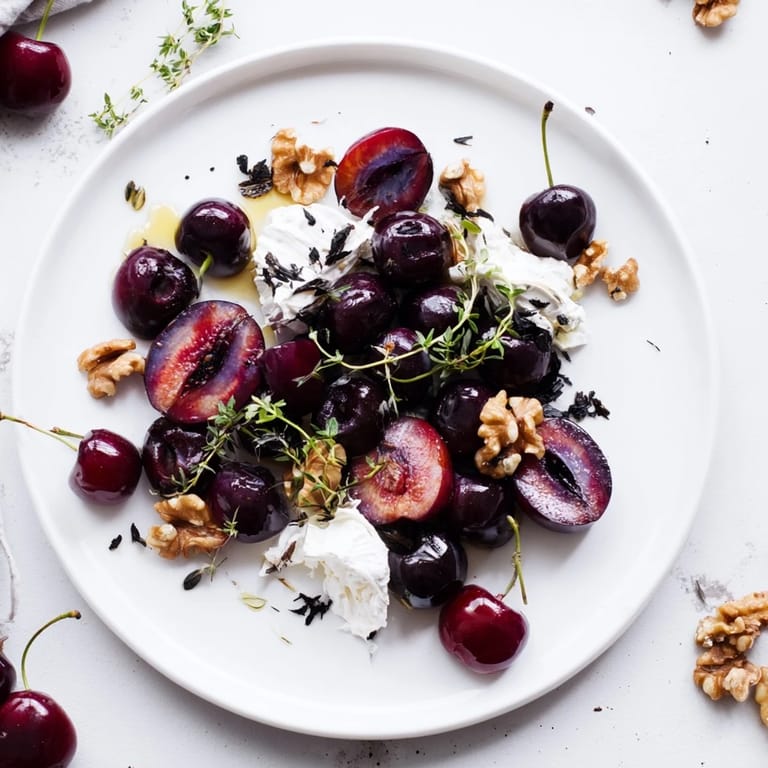
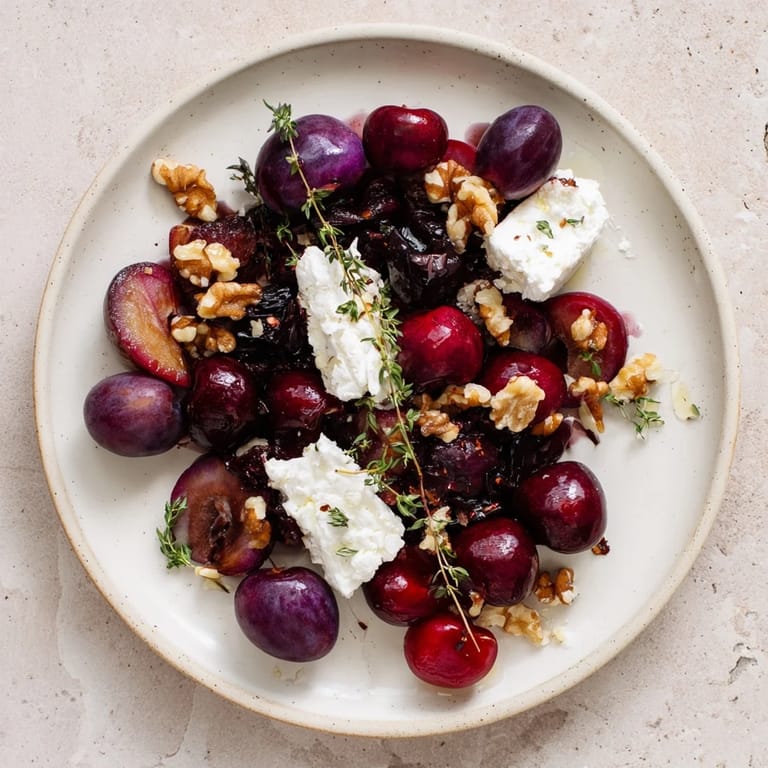
- Arrange the cherries, plums, and grapes in clusters on your platter, leaving pockets of white space between them. Think of it like a still life—you're looking for balance, not coverage.
- Nestle the cheese:
- Slice or crumble the goat cheese and place it where it can catch the light, ideally where it sits near at least two different fruits so people naturally reach for flavor combinations.
- Add texture and sweetness:
- Scatter the walnuts across the platter in a way that feels casual, then drizzle honey in thin threads rather than pooling it in one spot. The honey should look intentional but not fussy.
- Finish with herbs:
- Pull fresh thyme sprigs apart gently and scatter the small leaves over the platter. A few whole sprigs tucked in add visual interest without getting in anyone's way.
- Serve right away:
- The magic of this platter is its immediacy—bring it out, step back, and let people discover their own favorite bites.
 Save Pin
 There was a night when someone asked me how I learned to cook, and I realized I couldn't point to a single recipe or technique. I pointed at a platter like this one instead. It taught me that sometimes the most sophisticated thing you can do is honor each ingredient by letting it be itself, arranged so its friends can make it shine.
The Magic of Dark Fruits
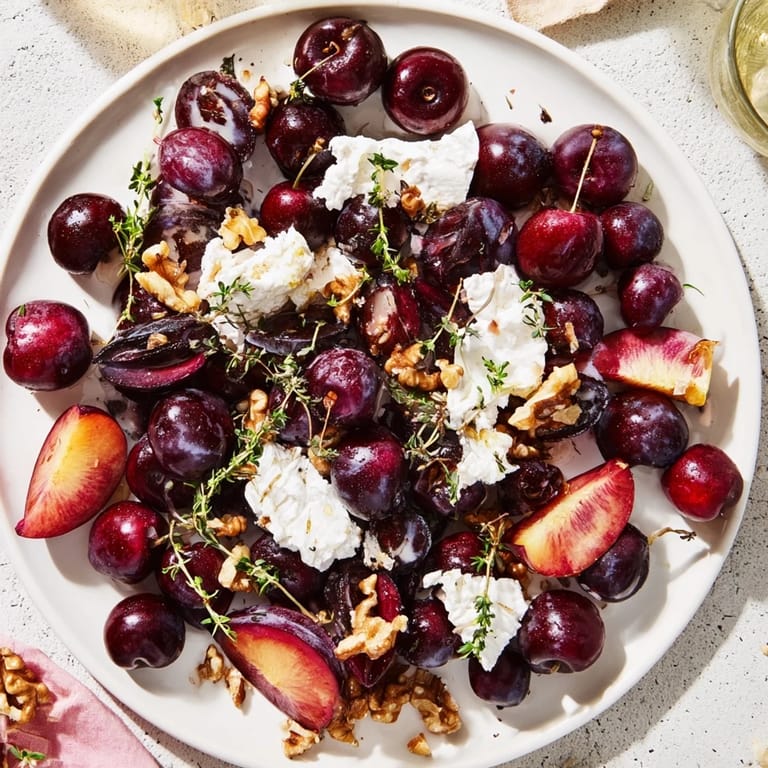
Deep purple and almost-black fruits aren't just prettier—they're sweeter and more complex than their lighter cousins. The darker the cherry, the more developed its flavor. Same with plums that look almost black when ripe. This is where The Midnight Orchard gets its name and its backbone. Pairing them with pale cream cheese creates this visual and flavor story that makes people lean in closer.
Building a Platter That Feels Intentional
The secret to a platter that doesn't look thrown together is thinking about it like a landscape rather than a checklist. Leave negative space. Let colors talk to each other. The pale ash-covered goat cheese isn't just ingredient—it's an anchor that the purple fruits orbit around. Group similar items, but break up monotony by scattering garnishes where you'd least expect them. It takes the same amount of time as dumping everything in a pile, but it feels like you actually meant to make something beautiful.
When To Make This and Why
This platter is perfect for those moments when you want to eat something sophisticated but don't want to spend your evening cooking. It's equally at home at the start of a dinner party or as an unexpected dessert course. Late-night gatherings are where it truly belongs—something about the darkness outside and the jewel tones on the board feels like a small, delicious rebellion against ordinary evenings.
- Prepare this only when fruit is at its absolute peak; mediocre fruit won't forgive your minimal preparation.
- Let guests build their own bites instead of telling them how to eat—half the pleasure is discovering your own favorite combination.
- If you're adding crackers or toasted bread, arrange them somewhere they won't overshadow the fruit and cheese.
 Save Pin
 This platter taught me that sometimes the best recipes aren't really recipes at all—they're just permission to pay attention. Permission to buy the most beautiful fruit, to taste before you serve, and to trust that sometimes doing less means creating something more.
Cooking Questions & Answers
- → Can the black-ashed goat cheese be substituted?
Yes, a plant-based ash-coated cheese can be used as a vegan alternative without compromising the visual and flavor profile.
- → What fruits complement the platter best?
Dark cherries, ripe plums, and purple grapes provide a balance of tartness and sweetness that pairs perfectly with the creamy cheese.
- → Are there suggested pairings with beverages?
This platter pairs wonderfully with dry sparkling wines or light-bodied reds, enhancing its elegant flavors.
- → How can I add texture to the platter?
Incorporate thin slices of toasted baguette or gluten-free crackers for added crunch and contrast.
- → What garnishes elevate the presentation?
Toasted walnuts, a light drizzle of honey, and fresh thyme sprigs add both flavor and a visually appealing finish.