 Save Pin
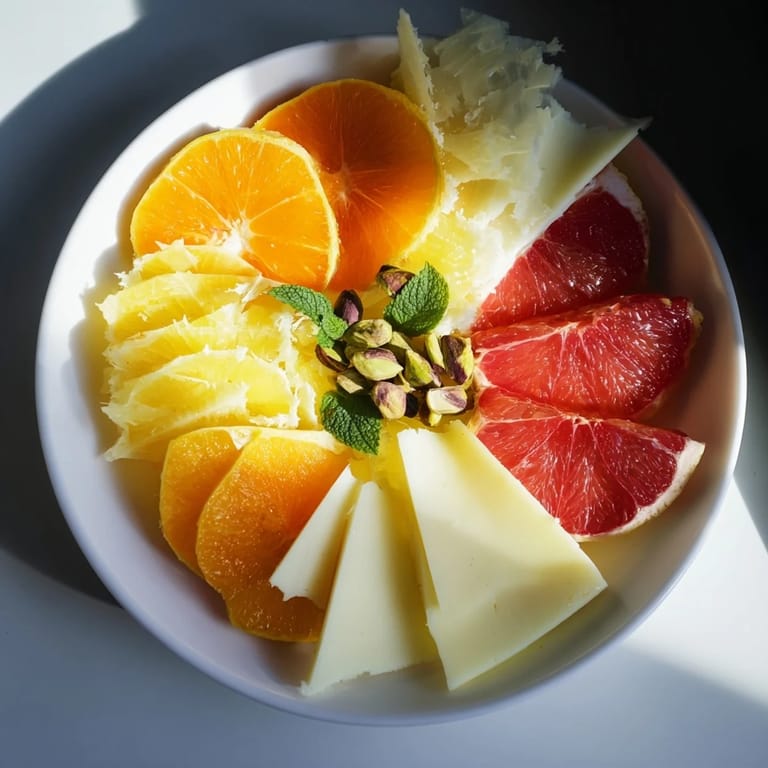
 My friend Sarah threw a dinner party on New Year's Eve, and I arrived early with no dish to contribute—just panic and good intentions. As we stood in her kitchen, she pulled out this enormous round platter and said, "What if we made the time stand still?" Within minutes, we were slicing citrus in every color imaginable, arranging them like a sun, and I realized this wasn't just an appetizer, it was a conversation starter that actually tasted good.
That New Year's Eve, as people gathered around the platter, something magical happened—they didn't just eat it, they played with it. Someone pointed out that the clock hands were pointing to midnight, and suddenly everyone was making wishes. I watched a three-year-old and her grandmother bond over picking out their favorite "hour" to taste first, and I understood why this simple arrangement mattered so much more than just food.
Ingredients
- Large orange: The backbone of your clock, offering that classic bright sweetness that everyone recognizes.
- Blood orange: This is your secret weapon for depth—those deep red-purple tones make the whole platter feel intentional and special.
- Grapefruit: The pink or white flesh provides visual contrast and a subtle bitterness that balances all the sweetness around it.
- Clementines (2): These small, jewel-like rounds fit the clock concept perfectly and taste sweet enough to convert skeptics.
- Lemon: One slice positioned strategically adds brightness and a hit of acidity that wakes up your palate.
- Lime: The green provides the final color note and a fresh, zesty edge to the citrus symphony.
- Firm goat cheese or manchego (150 g): Choose goat cheese if you want tang and elegance, manchego if you prefer buttery richness—both slice beautifully for your clock hands.
- Aged cheddar or gouda (100 g): This brings a deeper, more complex flavor that complements the bright citrus without overwhelming it.
- Honey (2 tbsp): The glue that ties everything together—drizzled at the center, it catches the light and pools into the cheese like liquid gold.
- Pistachios or walnuts (2 tbsp, optional): These add a gentle crunch and earthiness that feels intentional rather than random.
- Fresh mint leaves: Beyond decoration, these add an aromatic lift that makes people lean in closer to smell before they taste.
- Crackers or crusty bread: The vehicle that makes this appetizer actually functional—choose something sturdy enough to hold cheese and citrus without falling apart.
Tired of Takeout? 🥡
Get 10 meals you can make faster than delivery arrives. Seriously.
One email. No spam. Unsubscribe anytime.
Instructions
- Prep your citrus with intention:
- Slice each fruit into thin, even rounds—not paper-thin, but thin enough to curl slightly at the edges. Remove any seeds as you go because biting into a lemon seed is the kind of surprise nobody wants. This takes maybe eight minutes if you go slowly and pay attention.
- Build your clock face:
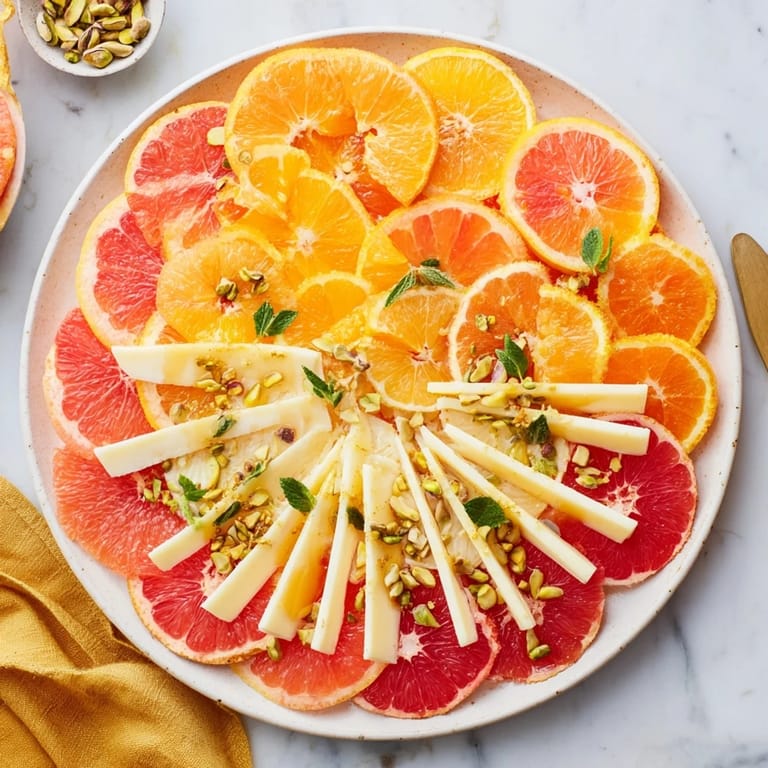
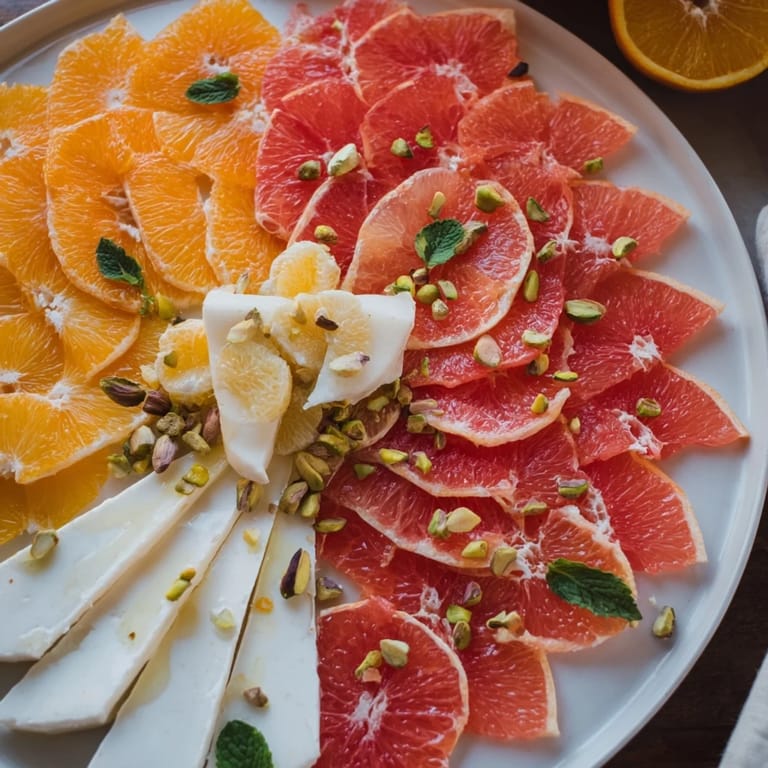
- Use a large round platter and imagine the numbers one through twelve around the edge. Starting at twelve and working clockwise, arrange your citrus slices in order, alternating colors so no two of the same fruit sit next to each other. This isn't about perfection—it's about creating rhythm with color.
- Craft your clock hands:
- Cut your cheeses into long, narrow strips roughly the width of a pencil. Shape two of them to form clock hands pointing to your chosen time—this is your artistic moment, so make it yours. Place them at the center where all the citrus converges.
- Add the golden details:
- Drizzle honey in a small circle at the very center, letting it pool slightly around the base of your cheese hands. Sprinkle your nuts over the honey if you're using them, creating a little textured crown at the heart of your design.
- Finish with fragrance:
- Scatter fresh mint leaves around the platter in whatever pattern feels right—they add color but also that moment when someone picks up a piece and smells mint and citrus together. Serve immediately with your crackers or bread nearby but not crowding the platter.
 Save Pin
 I made this platter three more times that winter, and each time it became a little ritual—a moment to slow down and arrange something beautiful before the eating began. My nephew asked if we could make it for his birthday because he loved "the orange clock," and suddenly it wasn't just an appetizer anymore; it was his thing, our thing, something we'd make together.
The Story Behind the Clock
This platter came to life during that phase when people started obsessing over Instagram-worthy food, but I think it works because it's honest about what it is—delicious ingredients arranged with a little whimsy and a reason. The clock concept isn't pretentious; it's playful, and food should feel like play sometimes, especially when you're gathering people around a table.
Variations That Work
Once you understand the concept, you can riff on it endlessly. I've seen people use different cheese combinations—blue cheese adds drama and sharpness, brie creates a softer, more luxurious feel, and combining three or four cheeses instead of two makes it feel even more abundant. Some versions add thin slices of cured meats like prosciutto or salami, which sounds odd but bridges the gap beautifully between vegetarian and carnivore at the same table.
Timing and Presentation Secrets
Assemble this no more than thirty minutes before serving—citrus starts to weep slightly after that, and the cheese can sweat in a warm kitchen. The magic is in the freshness of the moment, that crisp texture and vivid color that makes people take a step back and just look before they dive in. Position it somewhere it won't get knocked over during the appetizer shuffle, ideally where people can circle around it rather than reaching across each other.
- If you're worried about things sliding, a very light coating of a thin-spreading cheese like cream cheese under each citrus slice acts as glue without changing the flavor.
- You can point the clock hands to a meaningful time—midnight if it's New Year's, three o'clock if you're channeling your favorite afternoon, or the current time as a little joke about the moment you're sharing.
- Leftover citrus and cheese keep separately for a day or two, but this platter really is best served fresh and shared immediately with people you actually want to spend time with.
 Save Pin
 This isn't just food; it's permission to slow down and make something beautiful without overthinking it. Serve it when you want people to smile, when you want a conversation starter that actually tastes incredible, when you need proof that simple ingredients and a little intention can create something genuinely special.
Cooking Questions & Answers
- → What type of citrus works best for this platter?
Use a mix of bright citrus like oranges, blood oranges, grapefruits, clementines, lemons, and limes to provide vibrant colors and varied flavors.
- → Which cheeses complement the citrus arrangement?
Firm goat cheese, manchego, aged cheddar, or gouda offer creamy textures and flavors that pair well with the tartness of citrus.
- → Can the platter be prepared ahead of time?
It's best assembled shortly before serving to maintain freshness and vibrant colors of the citrus slices.
- → Are there suggested garnishes to enhance flavor?
Drizzling honey and adding chopped pistachios or walnuts offer sweetness and crunch; fresh mint leaves add aroma and color contrast.
- → What are good serving accompaniments?
Crackers or crusty bread provide a complementary base that balances the creamy cheese and juicy citrus.
- → How can I add variety or flair to the platter?
Try adding thin slices of cured meats, edible flowers, or swapping cheeses like brie or blue cheese to vary flavors and presentation.