 Save Pin
 My friend swore by zucchini noodles as a way to eat pasta without the guilt, but I was skeptical until a summer when my garden exploded with zucchini and I had no choice but to figure it out. The first time I spiralized one, watching it transform into these delicate ribbons felt almost magical, like turning vegetables into something completely new. That afternoon, I tossed them with a quick tomato sauce and realized she was onto something—the lightness made sense, especially on a hot day when heavy pasta felt impossible. Now I keep a spiralizer within arm's reach because these noodles have become my secret for feeding people something that feels indulgent but leaves everyone feeling energized.
I made these for my mom right after she mentioned wanting to eat lighter, and watching her face when she realized how filling they were proved that healthy food doesn't have to feel like punishment. She went back for seconds, which never happens, and then asked for the recipe immediately—that's when I knew this wasn't just a trendy thing, it was actually delicious. Since then, it's become our go-to when we want something that feels fancy but takes almost no effort.
Ingredients
- Large zucchini, spiralized: The base of everything, and you'll want them firm and fresh because watery zucchini leads to soggy noodles no matter what you do.
- Olive oil: Just enough to coat and warm the zoodles—this isn't about creating richness, it's about preventing them from sticking and adding a subtle finish.
- Salt and freshly ground black pepper: Season the zoodles themselves, not just the sauce, so the flavor builds throughout.
- Cherry tomatoes, halved: Their sweetness concentrates as they cook, creating a sauce that tastes like summer in a bowl.
- Garlic cloves, minced: The foundation of both sauces, so don't skip the mincing step—it distributes the flavor evenly.
- Fresh basil leaves: Add half to the sauce while cooking and reserve the rest raw for brightness and color.
- Ripe avocado: Choose one that yields slightly to pressure, because overripe makes the pesto bitter and underripe means more work for the food processor.
- Pine nuts or walnuts: They toast slightly while processing, adding a richness that keeps the pesto from tasting thin.
- Lemon juice: The secret that keeps avocado from browning and adds a sharpness the pesto desperately needs to avoid tasting flat.
- Toppings like Parmesan, feta, and pine nuts: Each adds a different texture and flavor note, so pick what speaks to you rather than using them all.
Tired of Takeout? 🥡
Get 10 meals you can make faster than delivery arrives. Seriously.
One email. No spam. Unsubscribe anytime.
Instructions
- Spiralize and rest your zucchini:
- Run each zucchini through the spiralizer, then spread the noodles in a colander and sprinkle with salt. This step releases water that would otherwise make everything soggy, so let it sit for the full ten minutes while you gather other ingredients. Pat them completely dry with paper towels before moving forward.
- Warm the zoodles gently:
- Heat olive oil in a large skillet over medium heat, then add the zucchini noodles and sauté for just two to three minutes, stirring occasionally so they heat through evenly. You're looking for a slight softening while they still have some texture and body, not a collapse into mush.
- Build the tomato basil sauce:
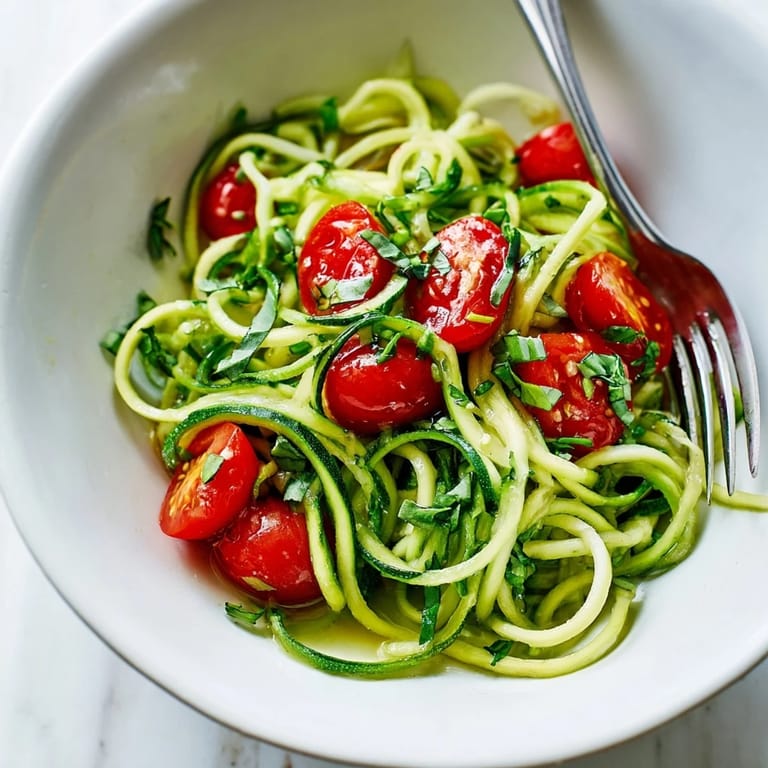
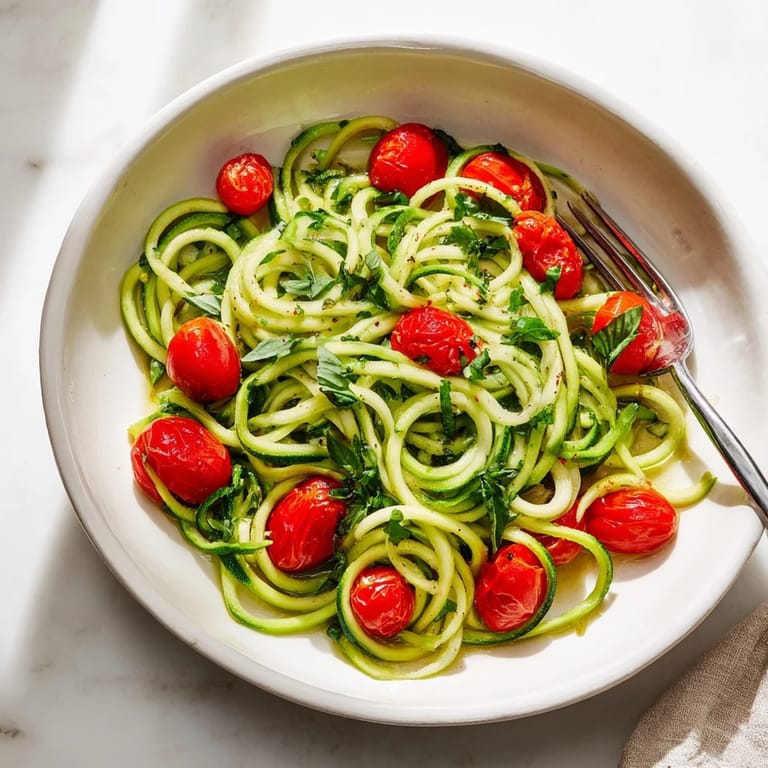
- In the same or a separate skillet, warm olive oil and add minced garlic, listening for that subtle sizzle before the garlic turns golden. Add your halved cherry tomatoes and let them soften and burst slightly, which takes about three minutes and fills your kitchen with the most wonderful smell.
- Finish the tomato sauce with basil:
- Turn off the heat and stir in your chopped basil along with salt and pepper to taste, breathing in the fresh aromatics that suddenly emerge. The basil should stay vibrant and barely wilted, adding brightness rather than becoming cooked down.
- Blend the avocado pesto:
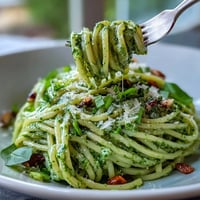
- Combine your ripe avocado, basil leaves, nuts, garlic, and lemon juice in a food processor and pulse until mostly smooth but still textured. Add olive oil while blending to achieve a consistency that coats the back of a spoon, then taste and adjust seasoning.
- Toss and compose your bowls:
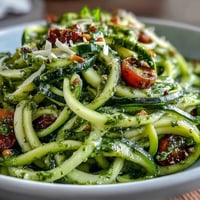
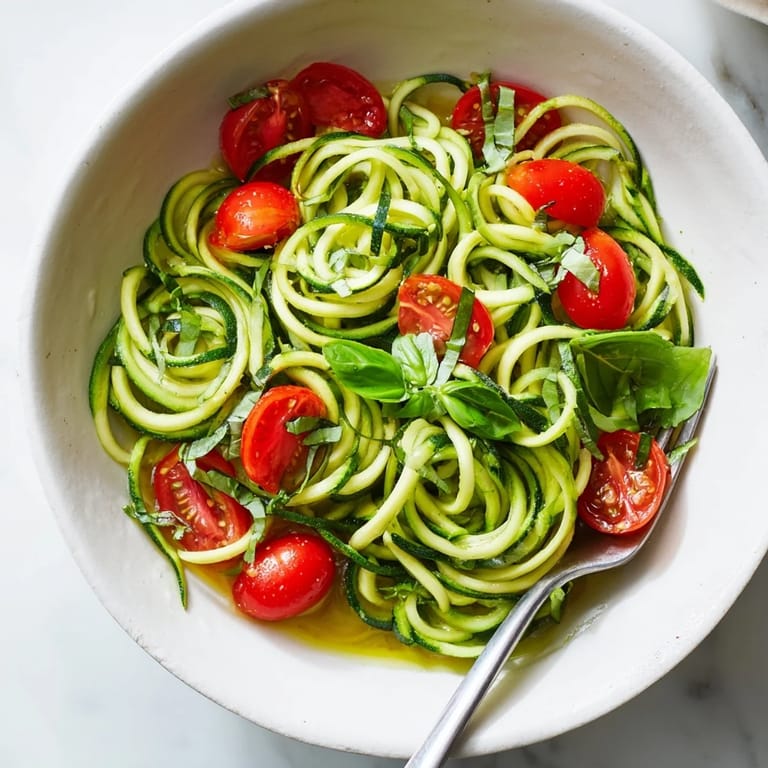
- Divide the warm zucchini noodles between two plates and pour your chosen sauce over top, tossing gently so the noodles get evenly coated. Top with whatever combination appeals to you—maybe crispy pine nuts and red pepper flakes, or crumbled feta with sun-dried tomatoes.
 Save Pin
 There's something almost meditative about the moment when you taste these noodles for the first time and realize you're not missing anything from regular pasta—you're actually gaining something lighter and more vibrant. My partner described it perfectly as eating something that tastes indulgent while making you feel energized, which might be the best compliment a dish can get.
Which Sauce Calls to You
The tomato basil version is your warm-weather answer, the one you make when you want something bright and simple that tastes like you didn't try very hard. The avocado pesto is for when you want richness and creaminess without any guilt, and it's what I reach for on evenings when I need comfort in a different way. Some people make both and serve them side by side so their dinner guests can choose, which feels generous and unhurried.
Making This Work for Everyone
The beauty of zucchini noodles is how they adapt to whatever dietary needs are around your table, making it possible to serve one base with completely different toppings or sauce choices. Add grilled chicken or shrimp if someone needs extra protein, or layer in chickpeas for a vegetarian option that actually satisfies. I've also served these to people avoiding nuts by swapping the pesto for a simple garlicky olive oil drizzle, and nobody felt like they were eating a compromise.
Storage and Next-Day Meals
The best-kept secret is that you can prepare the sauces the night before and simply make fresh noodles when you're ready to eat, which makes weeknight dinners feel effortless and elegant. Zucchini noodles don't really keep well after cooking because they continue releasing moisture, so always prepare them fresh even if everything else is ready to go. This actually works in your favor because from spiralizer to plate takes less than fifteen minutes, making these noodles perfect for evenings when you're hungry and impatient.
- Prepare both sauces earlier in the day and store them separately in airtight containers for up to three days.
- Keep your spiralizer visible and accessible so you're more likely to make these on busy weeknights when you need something fast.
- Double the sauce recipes if you're feeding more than two people, but always spiralize the zucchini fresh right before serving.
 Save Pin
 These noodles have quietly become one of my most-made dishes because they prove that eating light doesn't mean eating boring, and that sometimes the best kitchen shortcuts are the ones that actually improve your life. Grab a spiralizer if you don't have one yet—your future self will thank you on about the third time you make these.
Cooking Questions & Answers
- → How do you prevent zucchini noodles from becoming mushy?
Salt the spiralized zucchini and let sit for 10 minutes to draw out excess moisture, then pat dry with paper towels. When cooking, sauté for only 2-3 minutes over medium heat until slightly tender. Avoid overcooking, and serve immediately for optimal texture.
- → Can you make the avocado pesto in advance?
Yes, prepare the pesto up to 2 hours ahead and store in an airtight container. Press plastic wrap directly onto the surface to prevent browning. Add a squeeze of fresh lemon juice just before serving to maintain vibrant color.
- → What are good protein additions to this dish?
Grilled chicken breast, shrimp, chickpeas, and tofu all pair well with zucchini noodles. For easy meal prep, grill proteins ahead and warm gently before tossing with your chosen sauce and noodles.
- → How do you make this nut-free?
Replace pine nuts or walnuts in the pesto with sunflower seeds or tahini for a similar creamy consistency. For toppings, use sunflower seeds instead of pine nuts and choose Parmesan or feta over nut-based options.
- → What tools work if you don't have a spiralizer?
A julienne peeler or vegetable mandoline creates similar noodle-like strands. You can also use a box grater on the large holes for a thicker cut. Any tool that creates long, thin strands will work effectively.
- → What other sauces pair well with zucchini noodles?
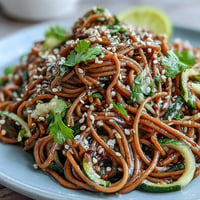
Try classic marinara, peanut sauce, garlic-lemon drizzle, or a simple walnut cream sauce. Cold pesto works beautifully for summer meals, while warm tomato-based sauces suit cooler seasons.