 Save Pin
 The first time I made this bowl, I was scrolling through TikTok at midnight, half-laughing at how viral this salmon rice thing had become. But then I opened my fridge and saw leftover salmon from dinner and cold rice from lunch, and something just clicked. Twenty-five minutes later, I was standing at my kitchen counter with what felt like the most satisfying, restaurant-worthy meal I'd made in weeks. It's funny how the best dishes sometimes come from having just enough ingredients and the willingness to layer flavors instead of overthinking it.
I made this for my roommate after she'd had a rough day at work, and she actually paused mid-bite to say it tasted like someone had cared about feeding her. That's when I realized this isn't just a viral trend bowl—it's the kind of meal that feels personal because you get to decide every element on top, from how much heat you want to whether you trust pickled ginger or not.
Ingredients
- Cooked salmon fillet (about 170 g / 6 oz): Room-temperature or cold salmon flakes beautifully and absorbs the seasonings better than warm fish, which is why I always cook it ahead when I can.
- Cooked white rice (2 cups, preferably leftover and chilled): Cold rice grains stay separate instead of clumping, creating texture that actually matters when you're layering flavors like this.
- Soy sauce (1 tablespoon): This is your savory backbone, but I learned to add it after microwaving so it distributes evenly and doesn't pool in one spot.
- Sesame oil (1 teaspoon): A little goes a long way—this nutty warmth ties everything together and honestly makes the whole dish feel intentional.
- Japanese mayonnaise like Kewpie (1 tablespoon): It's creamier and less sharp than regular mayo, and it cushions the heat if you go heavy on the Sriracha.
- Sriracha or chili sauce (1 teaspoon, optional): I skip this some days and miss it immediately, so I started keeping it on the side to adjust as I eat.
- Avocado, sliced: Ripe but still firm so it doesn't turn into mush under the warm rice—timing matters here more than you'd think.
- Roasted seaweed sheets (nori), cut into squares: These are your edible utensils, and they add a briny punch that keeps each bite from feeling one-note.
- Toasted sesame seeds (1 teaspoon): The toasting step is worth it because it deepens the flavor and gives you something to listen for while you cook.
- Spring onions, thinly sliced (2): Fresh and sharp against all that richness—they're the friend who keeps you grounded in a meal that could otherwise feel heavy.
- Pickled ginger (optional): A small spoonful cuts through the salmon's richness in a way that feels almost medicinal in the best sense.
- Lemon or lime wedges (optional): I learned to add brightness at the very end because acid can curdle mayonnaise if it sits too long.
Tired of Takeout? 🥡
Get 10 meals you can make faster than delivery arrives. Seriously.
One email. No spam. Unsubscribe anytime.
Instructions
- Flake Your Salmon:
- Place your cooked salmon in a microwave-safe bowl and use a fork to break it into tender, bite-sized pieces. Don't pulverize it—you want some texture, and the fork's motion becomes almost meditative once you get going.
- Layer and Rehydrate:
- Pile your cold rice directly on top of the flaked salmon, then sprinkle just a touch of water over it if the rice feels stiff or clumpy. This step takes thirty seconds but prevents dry, sad rice in your final bite.
- Warm It Through:
- Cover the bowl loosely with a microwave-safe plate or plastic wrap and heat on high for about 1 to 2 minutes. You're looking for steam rising when you peek under the lid, not a hot bowl—the salmon shouldn't cook further, just warm enough to wake up the seasonings.
- Dress the Bowl:
- Once warm, drizzle the soy sauce and sesame oil directly over the rice and salmon, then fold everything together gently with your fork until the grains are coated and glossy. The mixture should smell like a soy sauce dream at this point, and that's your signal you're on the right track.
- Add Your Creamy Element:
- Dollop the Japanese mayonnaise across the top and add Sriracha if you're using it, but don't mix it in yet. You want pockets of creaminess and heat that you'll encounter as you eat, not a uniform paste.
- Build Your Toppings:
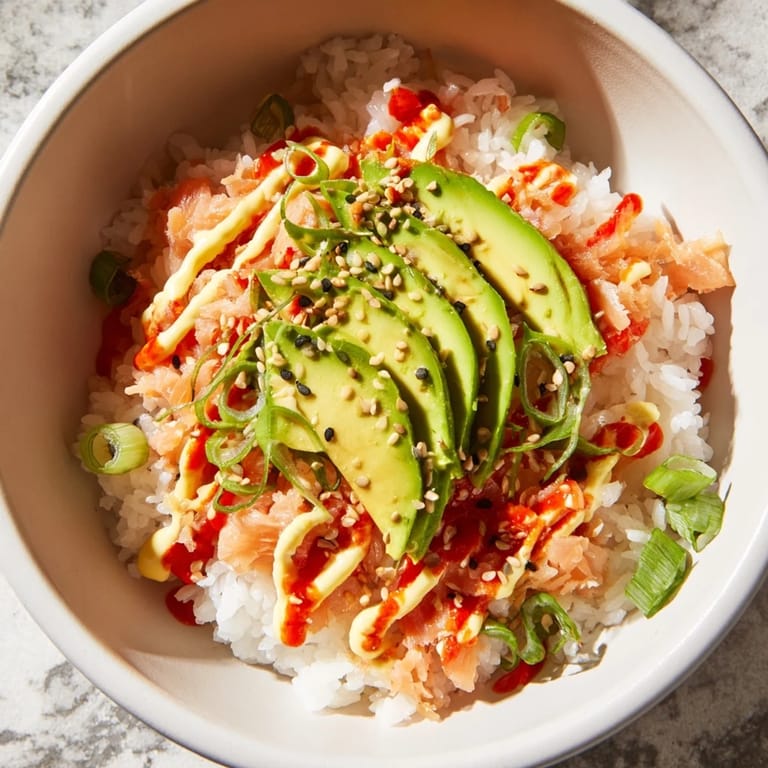
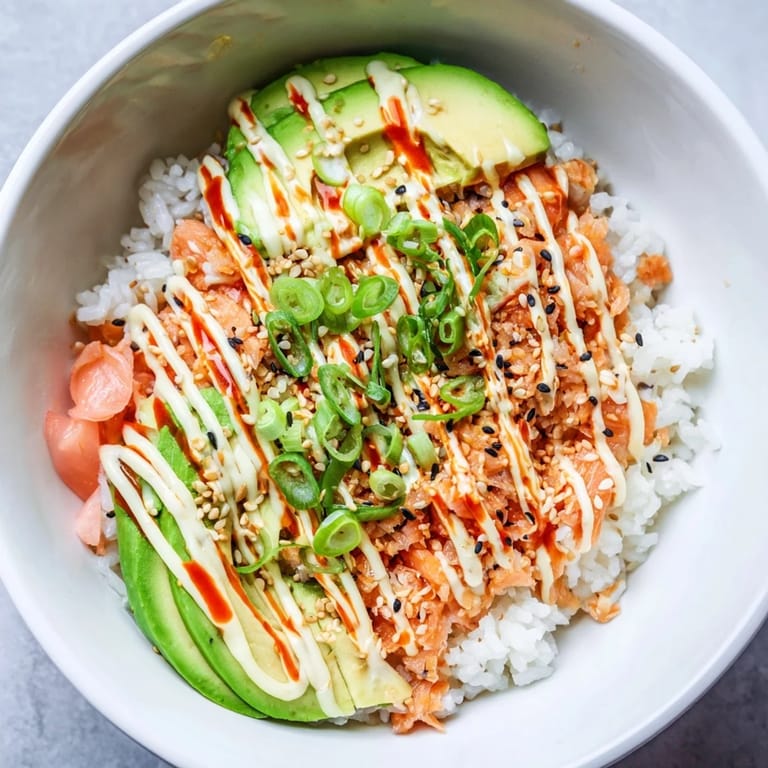
- Arrange the avocado slices, spring onions, pickled ginger, and sesame seeds across the top in whatever pattern feels right. This is where your bowl gets personality and where you can taste each topping individually before it mingles with everything else.
- Serve with Purpose:
- Set the nori squares and lemon wedges alongside your bowl. The magic happens when you tear off a piece of seaweed, scoop up some rice and salmon, and bite through that crispy-chewy contrast all at once.
 Save Pin
 There's a moment right after you scoop your first bite with the nori where the warm salmon, cool avocado, crispy seaweed, and creamy mayo all meet your tongue at the same time, and you just know someone was thinking about flavor contrasts when they invented this. That's when this stops being just dinner and becomes a small ritual you'll crave on the days when you need to feel a little bit taken care of.
Why Cold Rice Changes Everything
Warm, freshly cooked rice would absorb all that soy sauce and sesame oil and turn into a homogeneous mush, but cold rice stays firm and lets each grain keep its identity. I started keeping rice in my fridge specifically for this reason—it's the kind of kitchen hack that sounds small until you taste the difference. The texture alone makes this dish feel more refined than it has any right to be given how fast you can throw it together.
Building Flavor Without Cooking
What surprised me most about this bowl is how little actual cooking it requires, yet how layered and sophisticated each bite becomes. The salmon is already cooked, the rice is already cooked, and the microwave is just warming everything so the seasonings can wake up and start talking to each other. It's proof that you don't need hours or complicated techniques to make something that tastes like you've been working on it all day.
The Freedom to Customize
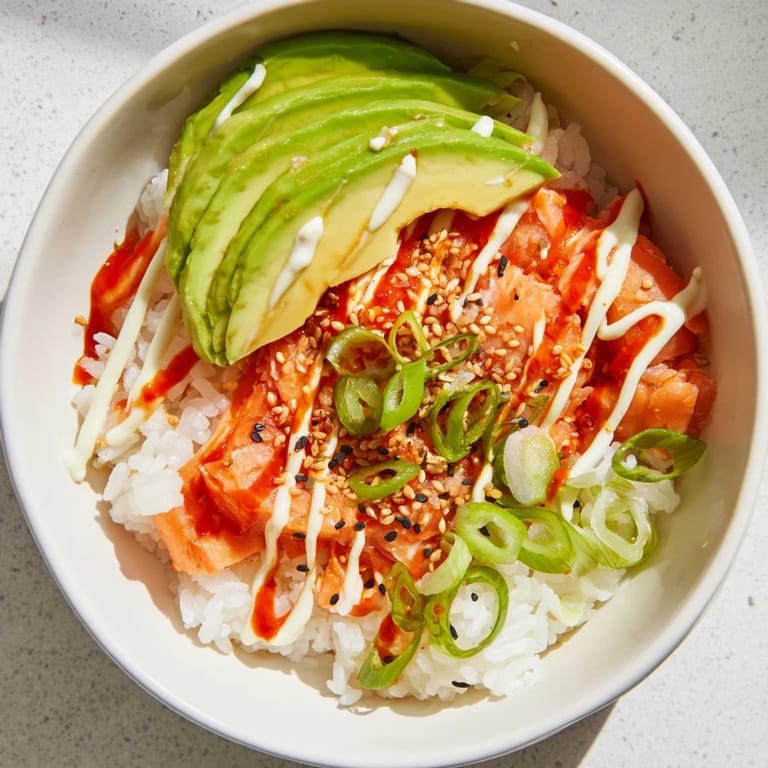
The beauty of this recipe is that it's more template than rules—once you've made it once, you'll start thinking about what else could live in this bowl. Cucumber adds crunch, kimchi adds funk and fermentation, shredded carrots add sweetness, and each addition changes the story you're telling with your dinner. I've made this bowl dozens of times and never the same way twice, which keeps it from ever feeling stale.
- Try brown rice if you want more fiber and nuttiness, or mix brown and white for the best of both textures.
- Smoked salmon and canned salmon work just as well and sometimes taste even better because they bring their own seasoning.
- Use tamari instead of soy sauce if gluten is a concern, and your bowl loses nothing in the translation.
 Save Pin
 This bowl has become my answer to the question of how to make something feel restaurant-quality when you're eating alone at your kitchen counter on a Tuesday. There's something quietly powerful about feeding yourself this well.
Cooking Questions & Answers
- → Can I use different types of rice?
Yes, brown rice can be substituted for added fiber and a nuttier flavor. Leftover rice works best to maintain texture.
- → What can I use instead of soy sauce?
Tamari is a great gluten-free alternative that maintains a similar savory taste.
- → How can I make this dish spicier?
Adding more Sriracha or chili sauce will increase the heat. Adjust according to your preference.
- → Is microwave heating recommended?
Microwaving briefly warms the bowl evenly without overcooking, preserving the salmon’s tenderness.
- → What toppings complement the salmon and rice?
Avocado, spring onions, toasted sesame seeds, pickled ginger, and nori sheets add contrasting textures and flavors.